
If you've been in the custom apparel world for any length of time, you've probably heard the buzz about DTF printing. But what exactly is it? And why are so many small business owners and hobbyists making the switch from traditional screen printing or vinyl? In this guide, we'll break down everything you need to know about DTF transfers, from the basic process to the benefits, and even help you figure out how to find DTF transfers near me options. Whether you're a seasoned pro or just starting your printing journey, this article is packed with practical insights you can use today.
What Are DTF Transfers?
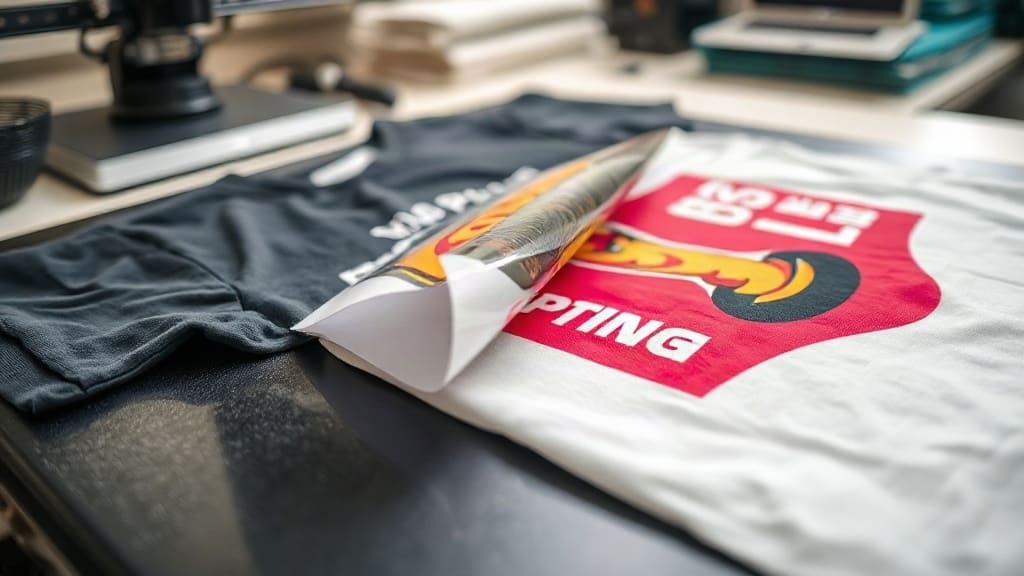
DTF stands for Direct to Film. It's a printing method where a design is printed onto a special PET film using a printer equipped with white ink. After printing, the film is coated with adhesive powder, which is then melted to create a strong bond. This transfer film is then heat-pressed onto a garment, leaving behind a vibrant, durable print.
Unlike DTG (Direct to Garment) printing, which prints directly onto the shirt, DTF transfers are created on a film first and then applied. This separation opens up a world of possibilities, especially for those who want to print on a variety of fabrics without investing in expensive equipment.
How Does DTF Printing Work?
The DTF process might sound complex, but it's actually quite straightforward once you understand the steps. Here's a simplified breakdown:
Step 1: Designing and Printing
You create your design using graphic software like Adobe Illustrator or Photoshop. The design is then printed onto a special PET film using a DTF printer. These printers are typically modified Epson or other inkjet printers that use pigment-based inks, including a white ink layer that is crucial for printing on dark fabrics.
Step 2: Applying Adhesive Powder
Once the ink is printed (and while it's still wet), a hot-melt adhesive powder is sprinkled over the entire film. The powder sticks to the wet ink. After shaking off the excess, the film is heated to melt the powder, creating a glue-like layer that will later bond the design to the fabric.
Step 3: Curing the Film
The film is then passed through a heat source or placed in a curing oven to fully melt and set the adhesive. This step ensures that the powder forms an even, strong adhesive layer.
Step 4: Pressing Onto the Garment
When you're ready to create a shirt, you place the transfer film onto the garment with the design facing down. Use a heat press (typically around 320°F to 340°F) for about 10 to 15 seconds with moderate pressure. After it cools, you peel off the film, and your design is permanently transferred.
Why Choose DTF Transfers?
There are many reasons why DTF is becoming the go-to method for custom apparel. Let's explore some of the key advantages:
Versatility Across Fabrics
One of the biggest selling points of DTF transfers is their ability to adhere to almost any fabric type. Whether you're printing on cotton, polyester, blends, nylon, denim, or even leather, DTF transfers work beautifully. This is a game-changer for businesses that want to offer a wide range of products without needing multiple printing technologies.
Vibrant Colors and High Detail
DTF prints are known for their exceptional color vibrancy and detail. Because the ink is printed on a smooth film and then transferred, you get crisp edges and fine lines that hold up well even on small text or intricate designs. The white ink layer ensures that colors pop on dark garments, just like they do on white ones.
Soft Hand Feel
Nobody wants a stiff, plasticky print on their favorite tee. DTF transfers produce prints that are soft to the touch, with no heavy vinyl feel. The adhesive layer is thin and flexible, so the print moves with the fabric and doesn't crack or fade easily.
Durability
When applied correctly, DTF transfers are incredibly durable. They can withstand repeated washing and drying without fading, cracking, or peeling. This makes them ideal for everyday wear, sports apparel, and even work uniforms.
Cost-Effective for Small Runs
If you're just starting out or need a small quantity of custom shirts, DTF is much more affordable than screen printing. There are no setup fees, and you can print one-off designs without worrying about minimum order quantities. This opens up opportunities for personalized gifts, small business merch, and on-demand printing.
DTF Transfers Near Me: How to Find a Reliable Provider
If you don't want to invest in your own DTF printer, you might be searching for DTF transfers near me. Finding a local supplier has several benefits, including lower shipping costs and faster turnaround times. Here are some tips on how to locate a reputable provider in your area:
Local Print Shops
Start by checking with local print shops, especially those that specialize in custom apparel. Many have started offering DTF transfer services alongside their existing printing methods. You can ask them if they provide wholesale DTF transfers for other businesses.
Online Directories
Use online directories like Google Maps or Yelp to search for "DTF transfers near me". Look for businesses with high ratings and positive reviews. Pay attention to comments about quality, turnaround time, and customer service.
Networking
Join local business networking groups on Facebook or LinkedIn. Often, members will have experience with local DTF providers and can offer recommendations. Also, check out community forums or trade groups where printers discuss their favorite suppliers.
Evaluating Quality
When you contact a potential provider, ask about their printing process and request samples. A reputable company will be happy to provide you with a test print so you can assess the color accuracy, adhesion, and washability. Also, ask about their minimum order quantities and whether they offer custom sizes or both sheet and roll options.
DTF Transfers: DIY vs. Professional Services
You might be wondering whether it's better to make your own DTF transfers or to buy them from a professional. Let's weigh the pros and cons:
DIY DTF Printing
Investing in your own DTF printer, powder, film, and heat press can be a significant upfront cost. However, if you have a high volume of orders or want complete control over the entire process, DIY might be the way to go. You can print on-demand, experiment with designs, and potentially save money in the long run. But it requires technical knowledge and troubleshooting skills.
Professional DTF Transfer Services
If you're just starting out or don't have the capital to invest in equipment, using a professional service is a smart choice. You can order a small batch of DTF transfers, apply them with your own heat press, and sell shirts without the hassle of maintaining printers and managing ink. This allows you to focus on your designs and customer relationships.
Tips for Getting the Best Results with DTF Transfers
Whether you're ordering from a professional or printing your own, here are some tips to ensure your DTF transfers turn out perfect every time:
Prepare Your Artwork Correctly
Your design should be in high resolution (at least 300 DPI) and in PNG format with a transparent background. Make sure to mirror the design horizontally before printing, since the transfer will be applied face down.
Choose the Right Film
Not all PET films are created equal. Some are designed for light fabrics, others for dark. Ensure you're using the appropriate film for your garment. Also, the quality of the film affects the ease of peeling and the final texture.
Set the Correct Pressing Parameters
Temperature, time, and pressure are crucial. Too low a temperature might result in poor adhesion, while too high can scorch the fabric or make the film stick stubbornly. Always test on a scrap piece of fabric first to dial in your settings.
Post-Press Care
After pressing, let the garment cool completely before peeling the film. For the best durability, it's often recommended to do a second press over the printed area after peeling, with a sheet of Teflon or parchment paper between the heat source and the print.
Common Mistakes to Avoid
Even experienced printers can make mistakes when working with DTF transfers. Here are some pitfalls to avoid:
- Using too much adhesive powder: Excess powder can cause a rough texture or make the film difficult to peel. Shake off the excess thoroughly.
- Not curing the adhesive properly: If the powder isn't fully melted, the design won't bond well. Ensure your curing temperature is adequate.
- Applying with the wrong pressure: Uneven or insufficient pressure can result in weak spots in the print. Make sure your heat press applies even pressure across the entire design.
- Washing too soon: The adhesive needs time to fully set. Wait at least 24 hours before washing any garment with a new DTF print.
Frequently Asked Questions
What is the difference between DTF and DTG printing?
DTG (Direct to Garment) prints directly onto the fabric using inkjet technology, while DTF prints onto a film and then transfers the design to the fabric. DTF is more versatile as it can be used on a wider range of fabrics, and it doesn't require pre-treatment of the garment. DTG is often preferred for very soft, detailed prints on cotton, but DTF offers better durability and color vibrancy on many materials.
Can DTF transfers be used on any color shirt?
Yes, absolutely. One of the biggest advantages of DTF transfers is their ability to print on both light and dark fabrics. The white ink layer ensures that the design stands out vividly on dark colors, while on light colors, the print appears as-is. Just ensure you use the appropriate film and settings for each fabric type.
How long do DTF transfers last?
When applied and cared for properly, DTF transfers can last as long as the garment itself. They are resistant to cracking, peeling, and fading, even after numerous washes. For best results, wash the garment inside out in cold water and avoid ironing directly on the print.
How do I find DTF transfers near me?
To find local providers, search online for "DTF transfers near me", check print shop directories, or ask in local business groups. You can also order from online companies that ship nationwide, but using a local provider can save on shipping costs and allow you to see samples in person.
Do I need a heat press to apply DTF transfers?
While a heat press is recommended for best results, you can also use a home iron in a pinch, though it's trickier. A heat press ensures even temperature and pressure, which is essential for a durable bond. If you're serious about making shirts, investing in a quality heat press is worth it.
Conclusion
DTF transfers have truly changed the landscape of custom apparel printing. They offer an unbeatable combination of versatility, durability, and cost-effectiveness, making them accessible to everyone from hobbyists to large-scale manufacturers. Whether you decide to print your own or find a reliable supplier for DTF transfers near me, you're opening the door to endless creative possibilities. So why not give it a try? Your next favorite shirt might just be a DTF press away.