
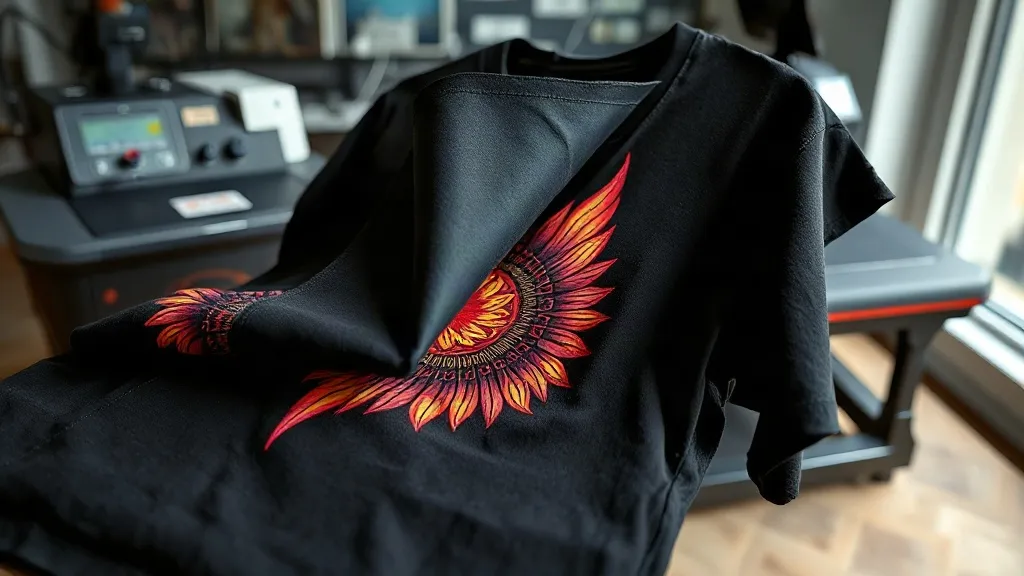
Custom apparel printing has come a long way, and if you're looking for a method that combines vivid colors, fine detail, and incredible durability, dtf transfers might just be your new best friend. Unlike traditional screen printing or vinyl, DTF (Direct to Film) printing opens up a world of possibilities for both small businesses and hobbyists. In this guide, we'll dive deep into what DTF transfers are, how they work, and why they're taking the custom garment industry by storm.
What Are DTF Transfers?
DTF stands for Direct to Film. It's a printing technology where your design is printed onto a special film, then coated with a powder adhesive, and finally heat-pressed onto the fabric. This process allows for intricate designs with gradients, shadows, and fine lines that other methods struggle to reproduce. The dtf method is compatible with a wide range of materials, including cotton, polyester, blends, and even some synthetics, making it incredibly versatile.
How Does the DTF Printing Process Work?
Understanding the DTF process can help you appreciate the results. Here's a step-by-step breakdown:
- Design Preparation: Your artwork is prepared digitally, ensuring it's mirrored and at the correct resolution.
- Printing: A specialized DTF printer lays down a layer of white ink (if needed) followed by the color inks onto a PET film. The white ink acts as a base to make colors pop on dark fabrics.
- Powder Application: While the ink is still wet, a hot-melt adhesive powder is applied evenly over the design. Excess powder is shaken off.
- Curing: The film is then heated to melt the powder, creating a flexible, durable adhesive layer.
- Heat Press: The transfer is placed on the fabric and pressed with a heat press, typically at 150-160°C for 10-15 seconds. After cooling, the film is peeled away, leaving the design bonded to the fabric.
This process might sound technical, but the result is a soft, stretchable print that feels like part of the fabric.
Why Choose DTF Transfers?
There are several compelling reasons to opt for DTF transfers over other printing methods:
- Vibrant Colors: DTF printers use high-quality pigments that produce bright, saturated colors that stand out.
- Works on Multiple Fabrics: Unlike vinyl or screen printing, DTF adheres well to cotton, polyester, blends, and more, without the need for special pretreatments.
- Fine Detail Reproduction: Complex designs with gradients, small text, and intricate patterns are reproduced with precision.
- Durability: When applied correctly, DTF prints resist cracking, peeling, and fading even after multiple washes.
- Cost-Effective for Small Runs: No need for screens or setup fees, making short runs and one-offs affordable.
- Soft Hand Feel: The prints are flexible and lightweight, not stiff like some other methods.
DTF vs. Other Printing Methods
How does DTF stack up against the competition? Let's compare:
DTF vs. Screen Printing
Screen printing is cost-effective for large orders but requires setup for each color, making small runs expensive. DTF has no setup costs and handles complex designs easily. However, screen printing can be more durable on certain fabrics and offers a different feel. For detailed, multi-color designs in small quantities, DTF wins.
DTF vs. Vinyl (HTV)
Heat transfer vinyl is great for simple designs but struggles with gradients and fine details. It also requires weeding, which is time-consuming. DTF eliminates weeding and allows for full-color designs. Vinyl might be cheaper for very simple one-color designs, but DTF offers superior quality for complex artwork.
DTF vs. DTG (Direct to Garment)
DTG prints directly onto the fabric, which is excellent for 100% cotton but less effective on blends. DTF works on almost any fabric and produces more vibrant colors on dark shirts. DTG has a softer feel but can be less durable. DTF is more versatile and often more cost-effective for small businesses.
Applications of DTF Transfers
DTF transfers are incredibly versatile. Here are some popular uses:
- Custom T-shirts: Perfect for personalized tees with photos, logos, or intricate artwork.
- Hoodies and Sweatshirts: DTF adheres well to thicker fabrics and maintains stretchability.
- Sportswear: The flexibility of DTF prints makes them ideal for activewear.
- Uniforms and Workwear: Durable prints that withstand frequent washing.
- Promotional Items: Great for tote bags, caps, and more.
- Home Decor: Personalize pillows, aprons, and other fabric items.
Tips for Successful DTF Transfers
To get the best results from your DTF transfers, follow these tips:
- Choose the Right Film: Use high-quality DTF film designed for your printer.
- Control Moisture: Store film and powder in a dry environment to prevent clumping.
- Preheat the Fabric: Remove wrinkles and moisture before pressing.
- Use Consistent Pressure: Ensure your heat press applies even pressure across the design.
- Follow Cure Times: Adhere to recommended times and temperatures for both curing and pressing.
- Test Peel: Always do a peel test after pressing to ensure adhesion.
Finding DTF Transfers Near You
If you're not ready to invest in a DTF printer, you can order custom transfers from professional services. Searching for dtf transfers near me can connect you with local providers who can print and ship transfers directly to your door. This is a great option for small businesses or individuals who want high-quality prints without the equipment costs.
Common Questions About DTF Transfers
How durable are DTF transfers?
When applied correctly, DTF transfers are highly durable and can withstand 50+ washes without significant fading or cracking. Proper care, such as washing inside out and avoiding high heat, extends their life.
Can I use DTF transfers on dark shirts?
Absolutely! DTF printing uses a white ink base that allows vibrant colors to show up brilliantly on dark fabrics. This is one of its biggest advantages.
What fabrics work best with DTF?
DTF works on cotton, polyester, blends, and even some synthetics like nylon. It's not recommended for fabrics with special coatings or waterproof finishes.
Do I need a special printer for DTF?
Yes, DTF requires a dedicated DTF printer that uses DTF inks and film. However, you can also purchase pre-printed transfers from suppliers if you don't want to invest in equipment.
How do I store DTF transfers?
Store unused transfers in a cool, dry place away from direct sunlight. Keep them flat to avoid creasing. Properly stored transfers can last for several months.
DTF transfers are a game-changer for custom apparel. Whether you're a small business owner looking to expand your product offerings or a DIY enthusiast wanting to create personalized gifts, DTF offers unmatched versatility, vibrant colors, and durability. With the tips and insights shared here, you're well-equipped to dive into the world of DTF printing. And if you need high-quality transfers, don't hesitate to search for dtf transfers near me to find a reliable supplier. Happy printing!