
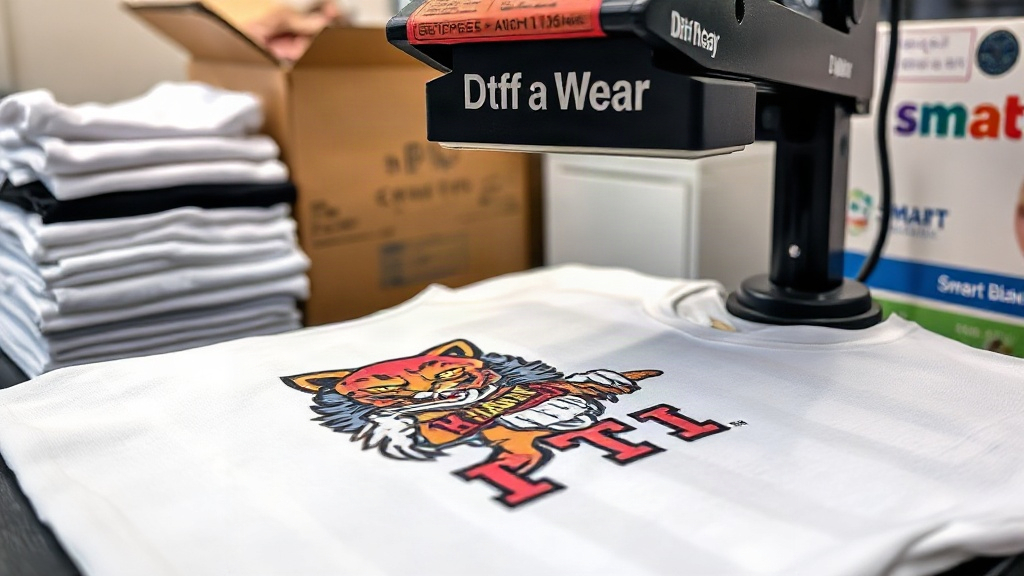
When you first dive into the world of DTF transfers, the excitement of creating vibrant, full-color designs can quickly be overshadowed by a crucial question: which blank garment will make your prints look their best? The truth is, the success of your transfer depends as much on the canvas as it does on the ink. In this guide, we'll walk you through everything you need to know about selecting the perfect blanks for DTF printing, with a special focus on two industry favorites: Shaka Wear and Smart Blanks. Whether you're a hobbyist or a growing business, these insights will help you achieve professional results every time.
Why Blanks Matter for DTF Transfers
DTF transfers are versatile and can adhere to a wide range of fabrics, but not all blanks are created equal. The material, weave, and finish of a garment directly impact how well the transfer bonds and how long it lasts. For instance, a 100% cotton shirt provides a smooth surface that allows the adhesive to grip evenly, resulting in a soft feel and excellent wash durability. On the other hand, synthetic fabrics like polyester require lower pressing temperatures to avoid scorching, and they may affect the vibrancy of the print due to dye migration. Choosing the right blank is therefore the first step toward a successful DTF project.
Fabric Composition: Cotton vs. Blends
Cotton is the gold standard for DTF transfers because it withstands the heat of the press and holds the adhesive well. However, cotton-poly blends are also popular for their softness and wrinkle resistance. When working with blends, aim for at least 50% cotton to ensure good adhesion. Shaka Wear offers a range of tees that cater to both preferences, from heavyweight 100% cotton to soft tri-blends. Their garments are known for their consistent quality, making them a reliable choice for DTF printing.
Color and Dye Migration
One of the biggest challenges in DTF printing is dye migration, where the garment's dye sublimates into the transfer during pressing, causing discoloration. This is more common with dark polyester fabrics. To avoid this, choose blanks with a high cotton content or those treated with a dye-blocking layer. Smart Blanks are engineered with this in mind, offering styles that resist dye migration and keep your prints looking crisp. Always test a small area if you're unsure.
Top Blanks for DTF Transfers
Now that you understand the importance of blank selection, let's explore two standout brands that consistently deliver excellent results with DTF transfers.
Shaka Wear: Heavyweight Champion
Shaka Wear has built a reputation for durable, heavyweight tees that feel substantial and hold up well to repeated washing. Their 7.5 oz Max Heavyweight Cotton Tee is a favorite among DTF printers because its tight knit and smooth surface allow for precise detail and vibrant colors. The fabric's thickness also helps prevent the transfer from sinking in, resulting in a raised, professional look. Plus, Shaka Wear offers a variety of styles, including crew necks, hoodies, and tank tops, so you can apply DTF transfers to almost any garment in your lineup.
Smart Blanks: Innovative and Consistent
Smart Blanks takes a tech-forward approach to garment manufacturing, focusing on consistency and performance. Their tees are crafted from ring-spun cotton and blends that are incredibly soft yet durable. What sets Smart Blanks apart is their attention to detail: reinforced seams, shoulder-to-shoulder taping, and a smooth print surface. For DTF transfers, these features mean fewer wrinkles and a flawless finish. Their poly-cotton styles are particularly popular for sportswear because they manage moisture and resist dye migration.
How to Prepare Blanks for DTF Transfers
Even the best blank requires proper preparation to ensure a strong bond. Follow these steps for optimal results.
- Pre-press the garment: This removes moisture and wrinkles, creating a smooth surface. Set your press to 300°F (150°C) for 5-10 seconds.
- Position the transfer: Place the DTF transfer with the adhesive side down on the garment. Use heat tape if needed to secure it.
- Press: Apply medium pressure at 300-325°F for 10-15 seconds. Check your transfer supplier's recommendations, as times may vary.
- Peel: Wait for the transfer to cool completely before peeling the film. This is crucial for a matte finish and durability.
- Post-press: For extra durability, cover the design with parchment paper and press again for 5-10 seconds.
Always test on a scrap piece of fabric first, especially when trying a new blank or transfer brand.
Common Mistakes to Avoid with DTF Transfers
Even seasoned printers can run into issues. Here are some pitfalls to watch out for:
- Using too much pressure: This can cause the adhesive to spread and the print to flatten, losing detail.
- Incorrect temperature: Too hot and you'll scorch the fabric; too cold and the transfer won't adhere properly.
- Peeling too soon: If you peel while hot, the design may crack or lift. Patience pays off.
- Ignoring fabric type: As mentioned, polyester requires lower temperatures. Always adjust your settings accordingly.
- Poor quality blanks: Investing in reputable brands like Shaka Wear and Smart Blanks saves you from frustrating failures.
Enhancing Durability and Washability
One of the biggest concerns with any printed garment is how it will hold up after multiple washes. DTF transfers, when applied correctly, are known for their durability, often outlasting other decoration methods. To maximize longevity, follow these care instructions:
- Turn the garment inside out before washing.
- Use cold water and a gentle cycle.
- Avoid bleach and fabric softeners, which can degrade the adhesive.
- Tumble dry on low or hang to dry.
- Iron inside out, never directly on the print.
By choosing high-quality blanks and following these care tips, your DTF-printed apparel will remain vibrant and intact for years.
Choosing the Right DTF Transfer Supplier
The quality of your DTF transfers themselves is just as important as the blank. Look for suppliers that use high-quality inks and films, offer consistent color reproduction, and provide detailed instructions. At dtfpromax.com, we specialize in premium DTF transfers that work seamlessly with Shaka Wear, Smart Blanks, and other top brands. Our transfers are known for their vibrant colors, soft feel, and exceptional durability. Plus, we offer a wide range of sizes and custom options to suit your project.
Frequently Asked Questions
Can I use DTF transfers on 100% polyester shirts?
Yes, but you need to adjust your heat press settings. Polyester is heat-sensitive, so use a lower temperature (around 280°F) and light pressure. Also, be aware of dye migration; choose a polyester-friendly transfer or a blank with a dye-blocking layer.
What is the best way to store unused DTF transfers?
Store them in a cool, dry place away from direct sunlight. Keep them in a sealed bag or container to prevent dust and moisture from affecting the adhesive. Properly stored transfers can last for several months.
How do I prevent the transfer from peeling after washing?
Ensure you follow the correct pressing parameters: temperature, pressure, and time. Also, post-press the transfer for extra durability. Washing the garment inside out in cold water and avoiding fabric softener will also help.
Are Shaka Wear and Smart Blanks suitable for DTF printing?
Absolutely. Both brands offer blanks that are well-suited for DTF transfers due to their fabric quality and construction. Shaka Wear provides heavyweight cotton options, while Smart Blanks offers innovative blends that resist dye migration. Always test a sample first.
What pressure should I use for DTF transfers?
Medium pressure is generally recommended. Too much pressure can cause the adhesive to spread and the image to distort. Too little pressure may result in poor adhesion. Adjust based on your press and the fabric.