
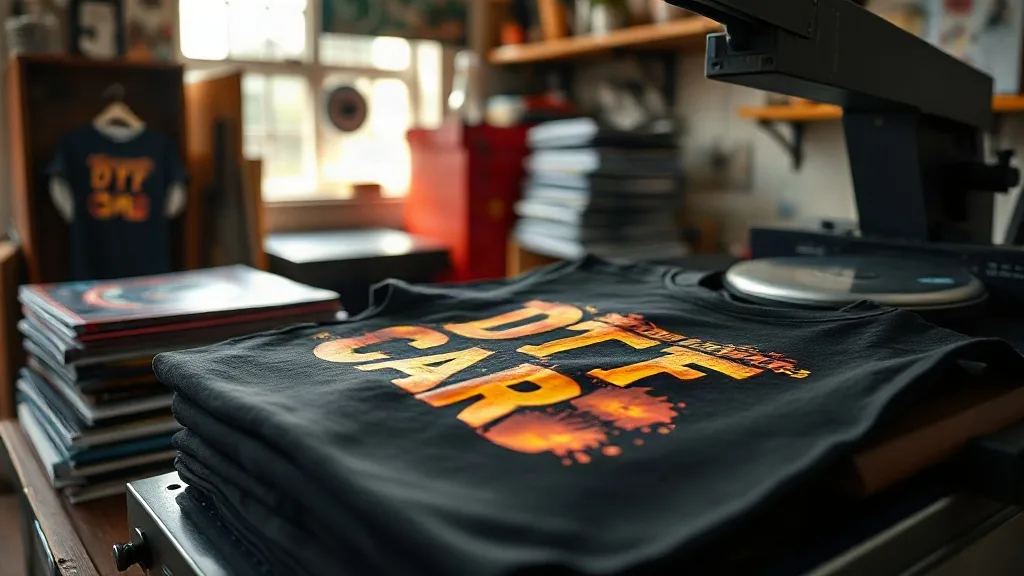
You've probably seen the phrase "DTF transfers near me" pop up in your search bar more than once. Maybe you're a small business owner looking to expand your product line, a hobbyist wanting to create custom shirts for an event, or a print shop exploring new decoration methods. Whatever your reason, finding a trustworthy local source for dtf transfers can save you time, money, and a lot of frustration. But with so many options out there, how do you separate the good from the not-so-good? This guide will walk you through everything you need to know, from understanding what DTF is to evaluating suppliers and getting the most out of your transfers.
What Are DTF Transfers and Why They Matter
DTF stands for Direct to Film. It's a printing technology where your design is printed onto a special film, then coated with a powder adhesive and cured. When you're ready to apply it, you simply heat press it onto your fabric. The result is a vibrant, durable print that works on almost any material, including cotton, polyester, blends, and even some synthetics that are tricky for other methods.
What sets dtf apart from other decoration methods like screen printing or vinyl is its versatility. You don't need to invest in expensive equipment or dedicate a lot of space. A decent heat press and a bit of practice are all you need to get professional-looking results. Plus, DTF transfers can handle complex designs with fine details and gradients without the setup costs associated with screen printing. That makes them ideal for small batches, personalized items, and on-demand production.
Why Local Suppliers Still Matter in a Digital Age
You might wonder why you'd bother searching for dtf transfers near me when you can order from anywhere in the world. The truth is, local suppliers offer some distinct advantages. For one, shipping times are shorter, which is crucial if you're working on tight deadlines or need to restock quickly. You can often pick up your order the same day or within a day or two, avoiding the anxiety of tracking a package that's stuck in transit.
Another benefit is the ability to build a relationship with your supplier. When you can talk to someone face-to-face or over the phone, it's easier to ask questions, request samples, and get personalized advice. You can also see the quality of their work firsthand before committing to a large order. And if something goes wrong, resolving issues is usually faster and less complicated than dealing with a company overseas.
Of course, not everyone has a local DTF supplier nearby. In that case, online ordering is perfectly fine, but you should still apply the same quality checks you would for a local vendor. The key is to do your homework and choose a supplier that prioritizes quality and customer service.
How to Evaluate a DTF Transfer Supplier
Not all DTF transfers are created equal. The quality of the film, the ink, and the adhesive powder all play a role in how the final product looks and holds up over time. Here are some factors to consider when vetting a supplier.
1. Print Quality and Color Accuracy
Ask for samples or check online reviews with photos. A good supplier should produce transfers with sharp details, smooth gradients, and accurate colors. Faded or muddy prints are a red flag. If you're ordering a design with specific brand colors, make sure the supplier can match them closely. Some companies offer color proofing services for an extra fee, which can be worth it for high-stakes projects.
2. Film and Adhesive Quality
The film should be easy to peel and apply without tearing or leaving residue. The adhesive powder should melt evenly and create a strong bond. Poor quality film can lead to transfers that crack, peel, or feel stiff after washing. Reputable suppliers will be transparent about the materials they use and may offer different film types for different fabrics.
3. Durability and Washability
A DTF transfer should withstand multiple washes without fading, cracking, or peeling. Ask about wash test results or look for customer feedback on longevity. Some suppliers claim their transfers last 50+ washes, but it's always best to verify with real-world experiences. If you're selling products, durability is non-negotiable for customer satisfaction.
4. Turnaround Time and Customer Service
How quickly can they fulfill orders? Do they offer rush services? What's their response time if you have a question or issue? Good communication is a sign of a reliable supplier. Test their customer service by sending an inquiry before you place a large order. A prompt, helpful response is a positive indicator.
5. Pricing and Minimums
Prices can vary widely, so it's worth comparing quotes from a few suppliers. However, don't just go for the cheapest option. Very low prices might indicate lower quality materials or rushed production. Also, check if there are minimum order quantities. Some suppliers cater to small businesses with no minimums, while others require larger orders.
Common Mistakes to Avoid When Buying DTF Transfers
Even experienced buyers can fall into traps. Here are some pitfalls to watch out for.
- Ignoring the fabric compatibility: While DTF works on many materials, some fabrics like nylon or certain water-repellent textiles may require special handling. Always test on a swatch first.
- Not testing the transfer before a big order: Always order a sample or a small batch to test application and washability before committing to a large quantity.
- Overlooking the importance of a good heat press: A cheap or inconsistent heat press can ruin even the best transfers. Make sure your press maintains steady temperature and pressure.
- Assuming all DTF powders are the same: The adhesive powder quality affects feel and durability. Some powders are finer and melt more evenly, resulting in a softer hand.
- Forgetting about storage: DTF transfers should be stored in a cool, dry place away from direct sunlight. Improper storage can cause the adhesive to degrade.
Application Tips for Perfect Results
Once you've got your transfers, applying them correctly is crucial. Here's a quick rundown of best practices.
- Pre-press your garment: This removes moisture and wrinkles, ensuring a smooth surface for adhesion.
- Set the right temperature and pressure: Typically, you'll press at 300-325°F (150-160°C) for 10-15 seconds with medium pressure. Always follow the supplier's recommendations.
- Peel cool or hot: Some films are hot-peel, others cold-peel. Check the instructions. Cold peel usually gives a smoother finish.
- Post-press for durability: A second press with a Teflon sheet or parchment paper for a few seconds can improve wash resistance.
- Wash inside out: Advise your customers to wash garments inside out in cold water and tumble dry low to prolong the life of the print.
Building a Relationship with Your Local Supplier
If you've found a local DTF supplier, nurture that relationship. Communicate openly about your needs, provide feedback on quality, and ask for advice when trying new fabrics or designs. Many suppliers are happy to share tips and may offer discounts for repeat customers. A strong partnership can give you a competitive edge, especially if you need custom solutions or quick turnarounds.
Frequently Asked Questions
How do I find DTF transfers near me?
Start by searching online for "DTF transfers near me" and check local print shops, apparel decoration suppliers, or specialty DTF providers. You can also ask in local business groups or forums. Always request samples and read reviews before ordering.
Can I use DTF transfers on dark fabrics?
Yes, DTF transfers work well on dark fabrics because the white ink layer provides a bright base for the colors. Just ensure the transfer is designed with a white underbase if needed.
What's the difference between DTF and DTG?
DTG (Direct to Garment) prints directly onto the fabric, while DTF prints onto a film and then transfers to the fabric. DTF often provides more vibrant colors and works on a wider range of materials, while DTG is typically limited to cotton.
How long do DTF transfers last?
With proper application and care, DTF transfers can last 50 washes or more. Durability depends on the quality of the transfer, the fabric, and washing conditions.
Do I need a special heat press for DTF?
A standard heat press works fine, but it should be able to maintain consistent temperature and pressure. Some people use a home iron, but results may vary and are less reliable for professional quality.
Final Thoughts
Finding quality dtf transfers near me doesn't have to be a challenge. By understanding what to look for, testing samples, and building a relationship with a reliable supplier, you can ensure your projects turn out great every time. Whether you're a hobbyist or a growing business, investing a little time in research will pay off in the long run. So go ahead, reach out to local suppliers, ask questions, and get printing!