
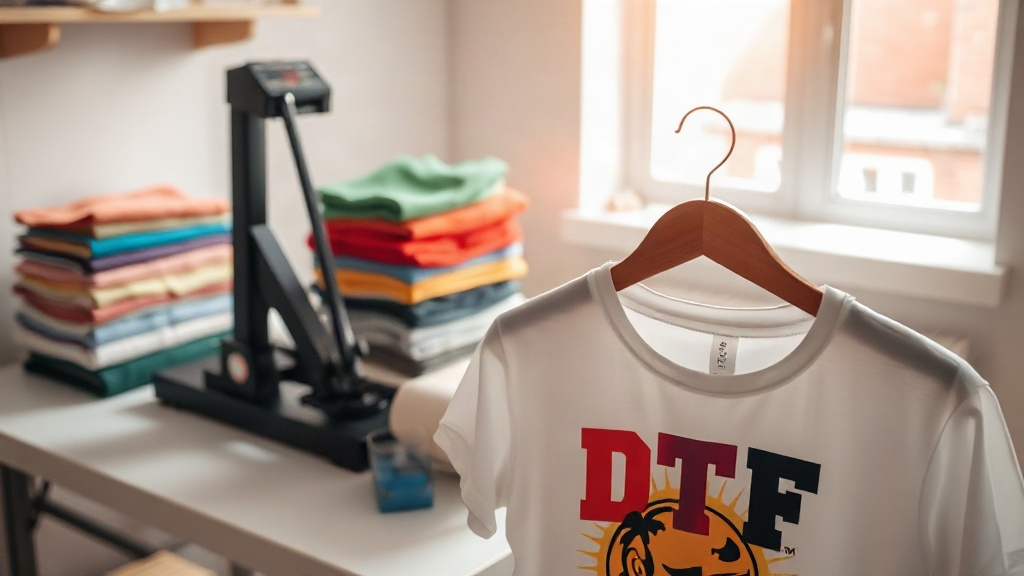
When you first dive into the world of custom apparel, the choices can feel overwhelming. You have to pick designs, find reliable suppliers, and decide between screen printing, vinyl, or DTF transfers. Then there's the question of which blank garments to use. Get any of these wrong, and you're left with cracked prints, unhappy customers, and a hit to your reputation. But get them right, and you have a scalable, profitable business that runs smoothly. In this guide, we'll cut through the noise and focus on what actually matters: how to choose the best blanks and DTF transfers for your projects, with a special look at trusted brands like Shaka Wear and Smart Blanks.
Why DTF Transfers Are Changing the Custom Apparel Game
Direct-to-film (DTF) printing has exploded in popularity for good reason. Unlike traditional screen printing, DTF doesn't require minimum order quantities, setup fees, or color separations. You can print a single shirt or a hundred, all with the same vibrant, durable results. The process involves printing your design onto a special film, coating it with adhesive powder, and then heat-pressing it onto the fabric. The result is a soft, stretchable print that adheres to cotton, polyester, blends, and even nylon. For small businesses and solo entrepreneurs, this flexibility is a game-changer. You can offer a wide range of products without investing in expensive equipment or inventory.
How DTF Transfers Compare to Other Methods
Screen printing is cost-effective for large runs, but it's impractical for small batches. Vinyl is great for simple text and numbers, but it can't handle complex gradients or photographic images. DTF, on the other hand, handles full-color designs with ease and works on almost any fabric. Plus, the prints are incredibly durable if applied correctly. The key is to use high-quality transfers and follow the pressing instructions precisely. That's where sourcing from a reputable supplier like DTFProMax makes a difference. Their transfers are known for their vivid colors and consistent quality, which means fewer headaches for you.
Choosing the Right Blanks for DTF Printing
Not all blanks are created equal. The garment you choose affects how the transfer adheres, how it feels, and how long it lasts. You want blanks that are soft, well-constructed, and compatible with DTF. Let's look at two standout options: Shaka Wear and Smart Blanks.
Shaka Wear: Streetwear Appeal Meets DTF Compatibility
Shaka Wear has become a go-to for streetwear brands and anyone looking for a relaxed, urban fit. Their t-shirts are made from heavyweight cotton, often 6.0 oz or more, which gives them a premium feel and excellent durability. The fabric is tightly knit, providing a smooth surface that DTF transfers love. When you press a DTF transfer onto a Shaka Wear tee, you get a crisp, opaque image that won't crack or fade easily. The brand's popularity also means your customers will recognize the quality. If you're targeting the streetwear market, Shaka Wear is a smart choice. Just be sure to check the fabric content: their 100% cotton styles work best with standard DTF, while blends may require a slightly different pressing technique.
Smart Blanks: Affordable Quality for Everyday Wear
For budget-conscious projects without sacrificing quality, Smart Blanks offers an excellent balance. These blanks are soft, lightweight, and come in a wide range of colors. They're ideal for promotional products, team uniforms, and everyday apparel. The fabric is typically a cotton-poly blend, which takes DTF transfers beautifully. The poly content actually helps the transfer bond more securely, resulting in a smooth, stretchable print. Many of our customers at DTFProMax pair Smart Blanks with our DTF transfers for corporate orders and events, and the feedback has been overwhelmingly positive. The key is to pre-press the garment to remove moisture and wrinkles, then follow the recommended temperature and pressure settings.
Other Blanks Worth Considering
While Shaka Wear and Smart Blanks are excellent, other brands like Bella+Canvas, Next Level, and Gildan also work well with DTF. The important thing is to test before committing to a large order. Order a few samples, press your transfers, and wash them a few times to see how they hold up. Every fabric behaves differently, so a little testing goes a long way.
Maximizing Durability: Tips for Pressing DTF Transfers
Even the best DTF transfers can fail if you don't press them correctly. Here are some best practices to ensure your prints last.
- Pre-press the garment: This removes moisture and wrinkles, creating a smooth surface for the transfer.
- Use the right temperature: Most DTF transfers require 300-325°F (150-160°C). Check your transfer supplier's recommendations.
- Apply firm pressure: You need medium to high pressure to ensure the adhesive bonds with the fabric.
- Peel correctly: DTF transfers are typically cold peel, meaning you wait until the film cools down before peeling. This prevents the design from stretching or cracking.
- Post-press for 5-10 seconds: After peeling, give it a final press with a cover sheet to smooth out any imperfections.
Following these steps will give you prints that survive dozens of washes without fading or peeling.
Sourcing DTF Transfers: What to Look For
Not all DTF transfers are created equal. Cheap transfers may have weak adhesive, dull colors, or excessive powder that creates a rough texture. When sourcing, look for suppliers that use high-quality inks and films, and that provide consistent results. DTFProMax specializes in premium DTF transfers that are vibrant, soft, and durable. They offer custom transfers as well as gang sheets, which allow you to maximize your film usage and reduce costs. If you're serious about your business, investing in quality transfers is non-negotiable.
Building a Profitable Business with DTF and Quality Blanks
Once you've mastered the basics, you can scale your business by offering a variety of products: t-shirts, hoodies, tote bags, and more. By combining high-quality DTF transfers with trusted blanks like Shaka Wear and Smart Blanks, you position yourself as a premium provider. Customers appreciate the feel and longevity of their garments, and they'll come back for more. Plus, DTF allows you to take on small, personalized orders that other printers can't handle profitably. That's a competitive edge you can build on.
Frequently Asked Questions
Can I use DTF transfers on 100% polyester shirts?
Yes, DTF transfers work on polyester, but you need to adjust your pressing settings. Lower the temperature to around 280-300°F and use light pressure to prevent the polyester from scorching or the transfer from over-melting. Always test on a sample first.
How do I wash garments with DTF transfers?
Turn the garment inside out and wash in cold water on a gentle cycle. Avoid using fabric softener or bleach, as these can degrade the adhesive. Tumble dry on low or hang dry. Following these care instructions will help the print last for years.
What is the difference between DTF and DTG printing?
DTG (direct-to-garment) printing involves printing directly onto the fabric with water-based inks. It's best for 100% cotton and can produce soft prints, but it requires pre-treatment and can be slow. DTF involves printing onto a film and transferring it, which works on more fabrics and often yields more vibrant colors. DTF is generally more durable and cost-effective for small batches.
Where can I buy high-quality DTF transfers and blanks?
For DTF transfers, DTFProMax offers premium products with fast turnaround. For blanks, Shaka Wear and Smart Blanks are widely available through distributors. Always order samples to ensure compatibility with your press and your customers' expectations.
By now, you should have a solid understanding of how to pair DTF transfers with the right blanks to create products that sell. Remember, quality is in the details: choose reputable suppliers, follow pressing guidelines, and always test new combinations. Your customers will notice the difference, and your business will thrive.