
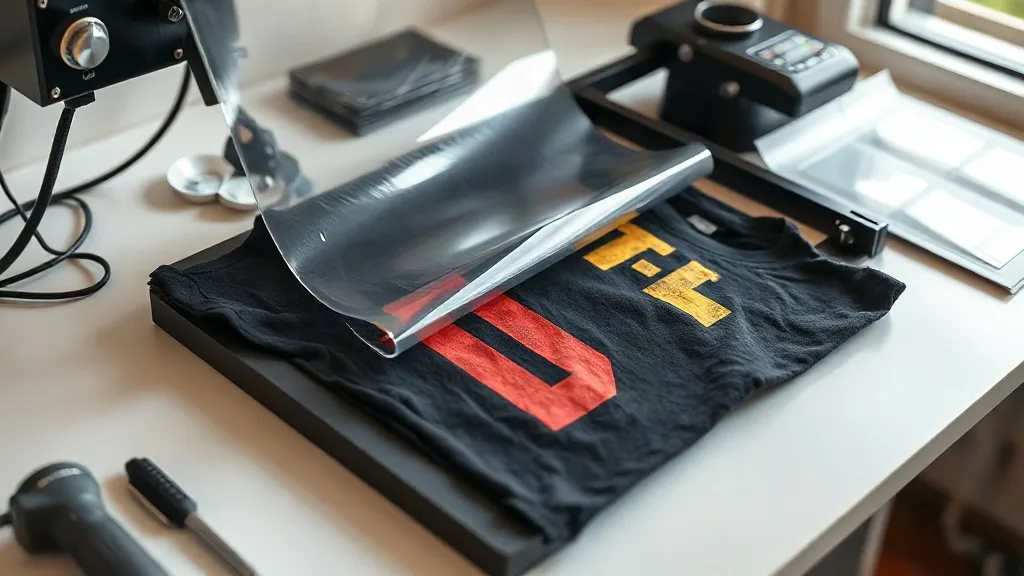
If you've been exploring custom apparel printing, you've likely encountered dtf transfers. This method has rapidly gained popularity for its versatility and vibrant results, but what exactly makes it tick? In this guide, we'll walk through the entire DTF process, from file preparation to the final press, and share practical insights to help you achieve professional-quality prints every time.
What Are DTF Transfers?
DTF stands for Direct-to-Film. It's a printing technique where your design is printed onto a special film, coated with a powdered adhesive, and then heat-pressed onto fabric. Unlike DTG (Direct-to-Garment) or screen printing, dtf transfers work on a wide range of materials, including cotton, polyester, blends, and even nylon. This flexibility makes them a favorite among small business owners, crafters, and anyone looking to add custom designs to garments without investing in expensive equipment.
Why Choose DTF Transfers?
There are several reasons why DTF transfers have become a go-to solution for custom printing. Here are the key benefits:
- Versatility: Works on almost any fabric, including dark colors and synthetic materials.
- Durability: Prints resist cracking, fading, and peeling even after multiple washes.
- No pre-treatment: Unlike DTG, DTF doesn't require pre-treating the garment, saving time and money.
- Cost-effective for small batches: Ideal for one-off designs or short runs without setup fees.
- Vibrant colors: Produces bright, detailed prints with excellent color accuracy.
These advantages make DTF a smart choice for businesses that need flexibility and quality.
How DTF Transfers Work: Step by Step
Understanding the DTF process helps you troubleshoot issues and improve your results. Here's a breakdown of the key steps:
1. Design Preparation
Start with a high-resolution image (300 DPI is recommended) in a format like PNG or TIFF. Remember that DTF prints are opaque, so you don't need to worry about background colors. However, ensure your design has transparent areas where you want the fabric to show through. Also, consider the size: typical DTF prints can range from small logos to full-back designs.
2. Printing onto Film
Using a DTF printer, your design is printed onto a special PET film. The printer lays down white ink as a base (for opacity) and then color inks on top. This is crucial for vibrant colors on dark fabrics. The film is then dusted with a hot-melt adhesive powder, which will bond the ink to the fabric during pressing.
3. Curing the Powder
The powder-coated film is heated to melt the adhesive, typically using a heat press or a curing oven. This step ensures the powder fuses with the ink, creating a stable transfer. Proper curing is essential for durability; under-curing can lead to washing off, while over-curing might cause the film to curl.
4. Heat Pressing
Once cured, the transfer is ready to be applied. Set your heat press to the recommended temperature (usually around 150-160°C or 300-320°F) and pressure (medium to firm). Place the transfer on the garment, press for 10-15 seconds, then peel the film while it's still warm (or cold, depending on the film type). Finally, cover with a protective sheet and press again for a few seconds to set the print.
Common DTF Challenges and How to Fix Them
Even with a straightforward process, you might run into issues. Here are some common problems and their solutions:
- Peeling after washing: Likely due to insufficient pressure, incorrect temperature, or under-curing. Double-check your press settings and ensure the powder is fully melted.
- Faded colors: Could be from using too little white ink or pressing at too high a temperature. Adjust your printer settings and press temperature.
- Film not peeling cleanly: This often happens if the transfer is too hot or too cold. Try peeling at a different temperature or use a different film type.
- Sticky residue: Excessive powder or incomplete curing can cause a sticky feel. Brush off excess powder before curing and ensure even heating.
By addressing these issues, you'll achieve consistent, professional results.
Choosing the Right DTF Supplies
The quality of your supplies directly impacts your output. When sourcing dtf films, powders, and inks, look for reputable suppliers who offer consistent products. At dtfpromax.com, we provide a range of DTF consumables designed for reliability and performance. Whether you're a hobbyist or a commercial printer, using high-quality materials will save you time and reduce waste.
Finding DTF Transfers Near You
If you're not ready to invest in a DTF printer, you can still access this technology through local printing services. Searching for dtf transfers near me can connect you with shops that offer transfer printing. This is a great way to test the waters or handle overflow orders without committing to equipment. When choosing a provider, ask about their film quality, turnaround time, and whether they offer sample prints.
DTF vs. Other Printing Methods
How does DTF stack up against DTG, screen printing, and vinyl? Here's a quick comparison:
- DTF vs. DTG: DTF works on more fabrics and doesn't require pre-treatment, but DTG can be softer on cotton. DTF is generally more durable on synthetics.
- DTF vs. Screen Printing: Screen printing is cost-effective for large orders but has setup costs and limited color options. DTF excels for small batches and complex designs.
- DTF vs. Vinyl: Vinyl is great for simple shapes but can't handle intricate details. DTF handles full-color, detailed images with ease.
Each method has its place, but DTF's versatility makes it a strong contender for many applications.
Tips for Perfect DTF Transfers
To ensure your transfers look great and last long, follow these best practices:
- Store transfers properly: Keep unused films in a cool, dry place away from direct sunlight to prevent the adhesive from activating prematurely.
- Pre-press garments: Always pre-press the garment for a few seconds to remove moisture and wrinkles, which can affect adhesion.
- Use a Teflon sheet: When pressing, use a Teflon sheet or parchment paper to protect the transfer and your press.
- Test your settings: Every heat press behaves differently. Run test prints to dial in the perfect temperature, pressure, and time.
- Wash inside out: Advise customers to wash garments inside out in cold water and avoid ironing directly on the print to extend the life of the transfer.
These small steps make a big difference in quality and customer satisfaction.
Frequently Asked Questions
What fabrics work best with DTF transfers?
DTF transfers adhere well to cotton, polyester, blends, and many synthetics. They are particularly effective on dark colors and materials that are difficult to print with other methods. However, fabrics with a heavy texture or coatings may not yield optimal results.
How long do DTF transfers last?
With proper application and care, DTF transfers can last as long as the garment itself. They resist cracking and fading for 50+ washes when washed inside out in cold water and tumble dried on low.
Can I use DTF transfers on items other than t-shirts?
Absolutely. DTF transfers can be applied to hoodies, bags, caps, and even some home textiles like pillowcases. Just ensure the item can withstand the heat press temperature without damage.
Do I need a special printer for DTF?
Yes, DTF requires a printer that uses DTF ink and can handle PET film. However, if you don't want to invest in a printer, you can order pre-printed transfers from a service or search for dtf transfers near me to find local providers.
How do I prevent the transfer from peeling after washing?
Peeling usually indicates insufficient pressure, incorrect temperature, or under-curing of the adhesive powder. Ensure your press is set correctly and that the powder is fully melted before pressing. Also, allow the garment to cool completely before washing.
DTF transfers offer a world of possibilities for custom apparel. With the right knowledge and supplies, you can achieve stunning, durable prints that impress your customers. Explore the resources at dtfpromax.com to stock up on quality DTF materials and take your printing to the next level.