
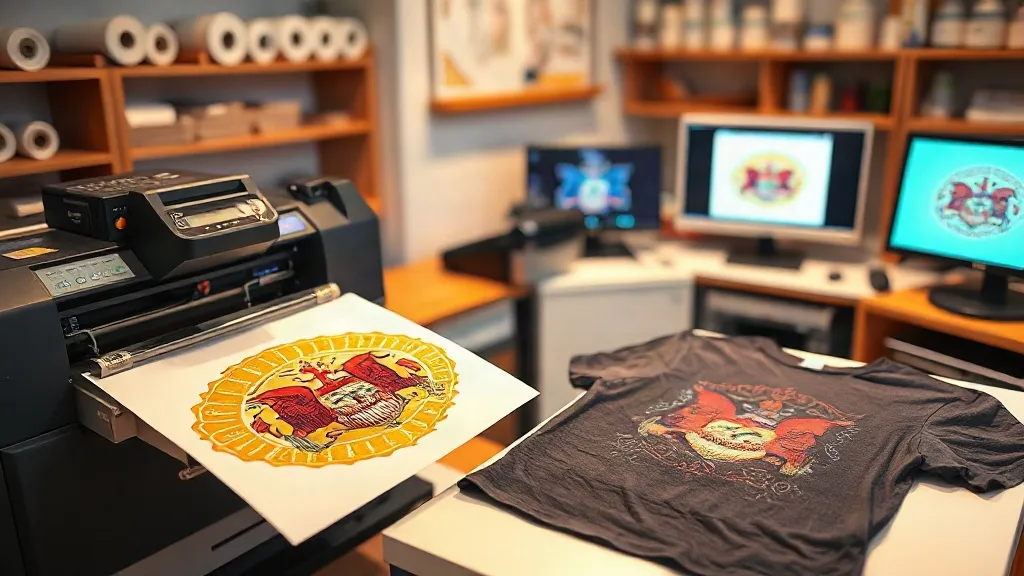
If you have been paying attention to the custom apparel world lately, you have probably noticed a shift. Screen printing used to be the go-to for bulk orders, and vinyl was the standard for one-off shirts. But there is a new kid on the block that is quickly becoming the favorite of hobbyists and professional print shops alike: dtf printing. Short for Direct to Film, this method bridges the gap between the simplicity of heat transfer vinyl and the professional finish of screen printing. Whether you are running a small Etsy shop or managing a large promotional products company, understanding dtf transfers is essential for staying competitive.
What Exactly Are DTF Transfers?
At its core, dtf transfers are a type of heat transfer that involves printing a design onto a special PET film using water-based inks, coating it with a hot-melt adhesive powder, and then curing it. The result is a flexible, stretchable transfer that can be applied to a wide range of fabrics, including cotton, polyester, blends, and even leather. Unlike traditional screen printing, which requires separate screens for each color, DTF printing uses a digital printer to create full-color designs in a single pass. This makes it incredibly efficient for small to medium-sized runs and for designs with complex gradients or photographic details.
How the DTF Process Works Step by Step
To truly appreciate the value of DTF, it helps to understand the workflow. Here is a breakdown of the key stages:
- Design Preparation: Your artwork is prepared in a RIP (Raster Image Processor) software, which mirrors the image and adds a white ink layer underneath the colors. This white layer is crucial for opacity, especially on dark garments.
- Printing: The design is printed onto a PET film using a DTF printer equipped with CMYK and white inks. The printer lays down the white ink first, followed by the colors, creating a sandwich-like structure.
- Powdering: While the ink is still wet, a hot-melt adhesive powder is sprinkled over the print. The film is then shaken to remove excess powder, leaving a thin, even layer adhering to the ink.
- Curing: The film passes through a curing oven or under a heat press to melt the powder, which creates a bond that will later fuse with the fabric.
- Transfer: Finally, the cured film is placed on the garment and pressed with a heat press at around 160°C (320°F) for 10-15 seconds. After a brief cool-down, the film is peeled away, leaving the design permanently bonded to the fabric.
This process might sound technical, but once you have the right equipment, it becomes second nature. The beauty of dtf transfers lies in their simplicity and versatility.
Why DTF Transfers Are Gaining Popularity
There are several reasons why DTF has become a buzzword in the printing community. Let us explore the main advantages.
Unmatched Versatility with Fabrics
One of the biggest headaches in apparel decoration is matching the right transfer to the right fabric. Vinyl works great on cotton but struggles with polyester. Screen printing requires specific inks for different materials. DTF, however, adheres beautifully to almost any fabric. You can apply the same transfer to a 100% cotton t-shirt, a polyester performance hoodie, a canvas tote bag, or even a leather jacket. This eliminates the need to stock multiple types of transfers or switch equipment, saving time and money.
Vibrant Colors and Fine Details
Because DTF uses digital printing, it can reproduce intricate details, gradients, and photographic images with stunning accuracy. Unlike vinyl, which requires layering multiple colors, DTF prints the entire design in one go. The white ink base ensures that colors pop even on dark backgrounds. Whether you are printing a detailed portrait or a logo with fine text, DTF delivers crisp, vibrant results that rival screen printing.
Soft Feel and Durability
Early heat transfers had a reputation for feeling like a plastic patch on the shirt. DTF has changed that. The water-based inks and thin adhesive layer create a soft, flexible print that moves with the fabric. It does not crack or peel easily, even after repeated washing. In fact, when applied correctly, DTF prints can outlast the garment itself. This durability makes DTF ideal for workwear, sports jerseys, and everyday apparel.
Cost-Effective for Small Businesses
For small business owners, the economics of DTF are compelling. There are no minimum order quantities, no setup fees, and no color limitations. You can print one shirt or one hundred with the same ease. The equipment costs are also lower than those of a full screen printing setup. A decent DTF printer and heat press can be purchased for a fraction of the price of a screen printing press, making it accessible to startups and home-based businesses.
Common Applications of DTF Transfers
DTF is not just for t-shirts. Its versatility opens up a world of possibilities:
- Custom Apparel: T-shirts, hoodies, polos, jeans, jackets, and more.
- Promotional Products: Tote bags, caps, aprons, and uniforms.
- Sportswear: Jerseys, shorts, and leggings that require stretch and durability.
- Home Decor: Pillow covers, quilt squares, and fabric banners.
- Accessories: Backpacks, pencil cases, and even shoes.
If you can heat press it, you can probably DTF it.
Tips for Successful DTF Printing
While DTF is forgiving, following best practices will ensure professional results every time.
Choose the Right Film and Powder
Not all DTF films are created equal. Look for films that are coated for high ink absorption and easy release. The adhesive powder should be fine and consistent; too coarse a powder can lead to a grainy feel. Experiment with different brands to find what works best with your printer and ink.
Master Your Heat Press Settings
Temperature, pressure, and time are critical. Too little heat and the transfer will not adhere; too much and you risk scorching the fabric or melting the film. A good starting point is 160°C (320°F) for 15 seconds with medium pressure. Always pre-press the garment to remove moisture and wrinkles. After pressing, let the transfer cool completely before peeling. This cool peel method prevents the design from stretching or distorting.
Store Transfers Properly
Unused DTF transfers should be stored in a cool, dry place away from direct sunlight. Humidity can cause the powder to clump, so keep them in an airtight container or bag. Proper storage ensures they remain ready to use for months.
DTF vs. Other Printing Methods
How does DTF stack up against the competition? Here is a quick comparison.
- DTF vs. Screen Printing: Screen printing is still king for large orders of simple designs, as the per-unit cost drops significantly. However, DTF wins for complex, multi-color designs and small runs. DTF also requires less setup and space.
- DTF vs. Vinyl: Vinyl is great for simple text and single-color logos, but it cannot handle gradients or photos. DTF offers unlimited colors and a softer feel. Vinyl is also limited to certain fabrics, while DTF adheres to almost anything.
- DTF vs. DTG: Direct to Garment (DTG) prints directly onto the fabric, which is great for 100% cotton. However, DTG requires pre-treatment, can be messy, and struggles with polyester. DTF is cleaner, works on more fabrics, and often produces more vibrant colors.
Getting Started with DTF
If you are ready to dive into DTF, here is what you need:
- A DTF Printer: Options range from entry-level models to industrial machines. Consider your volume and budget.
- DTF Inks: Use high-quality inks designed specifically for DTF. Cheap inks can clog printheads and produce dull colors.
- PET Film: Available in rolls or sheets. Choose a thickness that suits your printer.
- Adhesive Powder: Often sold in jars or bags. Fine powder (80-100 microns) is ideal.
- Curing Oven or Heat Press: For curing the powder, a dedicated oven is best, but a heat press can work with careful monitoring.
- Heat Press: For applying the transfer to the garment. A good quality press with even pressure is essential.
Start with a small setup to learn the ropes, then scale up as you gain confidence.
Frequently Asked Questions About DTF Transfers
How long do DTF transfers last on a shirt?
When applied correctly and cared for properly, DTF transfers can last as long as the garment itself. The print will not crack, peel, or fade easily. To maximize longevity, wash the garment inside out in cold water and avoid using bleach or fabric softener. Tumble dry on low or hang dry.
Can I use DTF transfers on dark colors?
Absolutely. DTF transfers include a white ink layer that acts as a base, allowing vibrant colors to show up beautifully on dark fabrics. This is one of the biggest advantages over other methods like DTG, which often require a white underbase and still may not be as opaque.
Do I need a special printer for DTF?
Yes, you need a DTF printer that uses DTF inks and has a white ink channel. You can convert some standard inkjet printers, but it is often better to invest in a printer designed for DTF to avoid clogging and other issues. Alternatively, you can outsource your printing to a service like DTF ProMax, which provides high-quality transfers ready to press.
What fabrics work best with DTF?
DTF works well on a wide range of fabrics, including cotton, polyester, nylon, leather, and blends. It is particularly useful for polyester and synthetic fabrics where other methods may fail. However, for highly stretchy fabrics like spandex, you may need to adjust your pressing technique to avoid cracking.
Is DTF printing cost-effective for small orders?
Yes, DTF is very cost-effective for small to medium orders because there are no minimums and no setup fees. You only pay for the ink, film, and powder used. For large orders, screen printing may be cheaper per unit, but DTF offers greater flexibility and faster turnaround for designs that change frequently.
Final Thoughts
DTF transfers have opened up new possibilities for custom apparel decoration. They combine the best of digital printing with the durability and feel that customers expect. Whether you are a crafter looking to expand your product line or a business owner wanting to offer more to your clients, DTF is a worthwhile investment. With the right knowledge and tools, you can produce stunning, long-lasting prints that set your work apart. So why not give it a try? Your customers will thank you.