
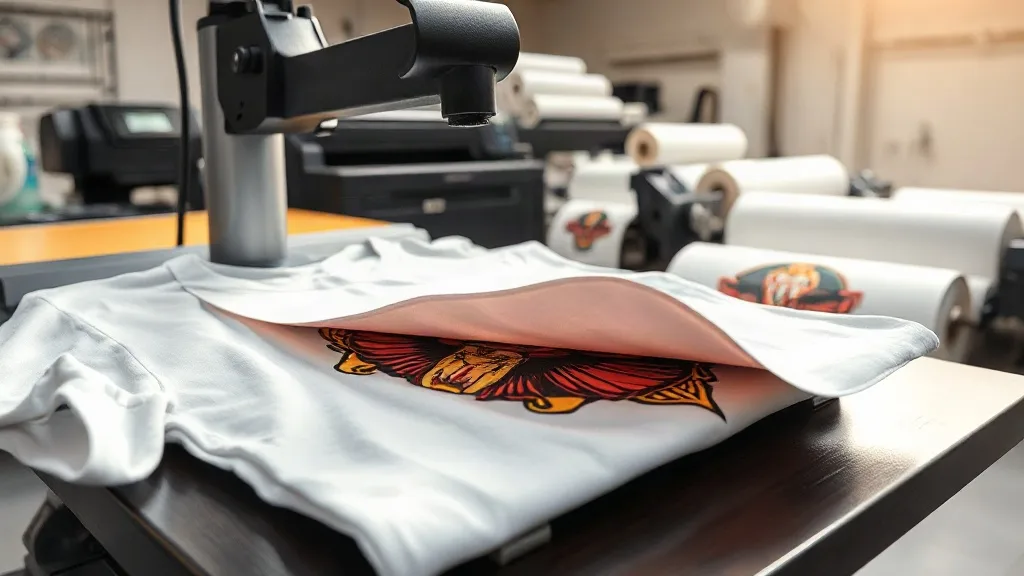
If you've been exploring custom apparel printing, you've likely encountered the term dtf. Direct-to-film printing has rapidly gained popularity for its versatility and vibrant results. Unlike traditional methods that require specific fabrics or complex setups, dtf transfers offer a straightforward way to bring detailed designs to life on almost any material. In this guide, we'll walk you through the essentials: what DTF is, why it stands out, and how to apply transfers correctly for professional-looking results that last.
What Exactly Are DTF Transfers?
DTF stands for Direct-to-Film. The process involves printing your design onto a special PET film using water-based inks, then applying a powdered adhesive (often called hot-melt powder) to the wet ink. After curing, the film is ready to be heat-pressed onto a garment or other substrate. The adhesive melts under heat, bonding the ink to the fabric. When you peel away the film, the design remains, vibrant and flexible.
What sets DTF apart is that it doesn't require pre-treatment or special coatings on the fabric. It works on cotton, polyester, blends, and even materials like canvas and denim. This opens up a world of possibilities for personalizing items that were previously difficult to print on.
Why Choose DTF Transfers Over Other Printing Methods?
Each printing method has its strengths, but DTF shines in several areas that matter to both hobbyists and professionals.
Unmatched Versatility
DTF transfers adhere to a wide range of fabrics and surfaces. Whether you're working with a 100% cotton t-shirt, a polyester jersey, or a canvas tote bag, DTF delivers consistent results. This eliminates the need to stock different types of transfers for different materials.
Vibrant, Detailed Prints
The water-based inks used in DTF produce bright, opaque colors that pop. The process supports fine details, gradients, and photographic images without losing clarity. Unlike screen printing, there's no color separation or minimum order quantity, making it ideal for small batches and one-off designs.
Durability and Stretchability
Once applied correctly, DTF prints are highly durable. They resist cracking, peeling, and fading even after repeated washing. The prints also stretch with the fabric, so they won't crack when the garment is stretched, which is a common issue with some other transfer types.
Cost-Effective for Short Runs
Since DTF doesn't require screens or plates, setup costs are minimal. This makes it an economical choice for small businesses, crafters, and anyone producing custom items on demand.
How to Apply DTF Transfers: Step-by-Step
Applying DTF transfers is straightforward, but following the right steps ensures a professional finish. Here's what you need to do:
- Prepare your workspace: Set your heat press to the recommended temperature, usually between 300°F and 325°F (150°C to 160°C). Pre-press the garment for a few seconds to remove moisture and wrinkles.
- Position the transfer: Place the DTF transfer on the garment with the printed side facing up. The film backing should be on top.
- Press: Apply medium to firm pressure for 10 to 15 seconds. Make sure the entire design is covered by the heat platen.
- Peel: Remove the film while it's still hot (hot peel) or let it cool completely (cold peel), depending on the transfer instructions. Most DTF transfers are hot peel, but always check.
- Post-press (optional): For extra durability, you can cover the design with a Teflon sheet or parchment paper and press again for a few seconds.
It's crucial to use consistent pressure and temperature. Variations can lead to poor adhesion or a dull finish. Practice on scrap fabric to dial in your settings.
Common Mistakes to Avoid with DTF Transfers
Even though DTF is forgiving, some pitfalls can ruin your results. Here are the most common ones and how to steer clear.
- Insufficient pressure: If the pressure is too light, the adhesive won't bond properly, leading to early peeling. Adjust your press and test.
- Wrong temperature: Too hot and the film may warp or the ink may scorch; too cold and the adhesive won't melt. Always follow the transfer supplier's recommendations.
- Peeling at the wrong time: Peeling too early or too late can cause the design to lift or leave residue. Know whether your transfer is hot peel or cold peel.
- Not pre-pressing: Moisture in the fabric can create steam and prevent proper adhesion. Always pre-press for 5-10 seconds.
- Using the wrong fabric: While DTF works on many materials, some highly textured or coated fabrics may not hold the print well. Test first.
Design Tips for Stunning DTF Prints
The quality of your design file greatly affects the final output. Here are some guidelines to ensure your artwork translates beautifully to a DTF transfer.
Use High-Resolution Images
DTF printing can reproduce fine details, but it requires a high-resolution file. Aim for at least 300 DPI at the final print size. Vector files are ideal as they can be scaled without losing quality.
Consider Color Profiles
DTF printers use CMYK inks, so design in CMYK mode if possible. RGB colors may shift when printed. Also, keep in mind that the white ink layer underneath makes colors appear more vibrant on dark fabrics.
Add a White Underbase
For dark garments, a white underbase is essential to make colors pop. Most DTF printing services automatically include this, but if you're printing yourself, ensure your RIP software handles it.
Keep It Simple for Small Details
While DTF can handle intricate designs, extremely thin lines or tiny text may not adhere as well. If your design has very small elements, consider thickening them slightly for better durability.
Washing and Caring for DTF Prints
To keep your DTF-printed garments looking fresh, follow these care instructions:
- Wait at least 24 hours before washing.
- Turn the garment inside out.
- Machine wash cold with mild detergent.
- Avoid bleach and fabric softeners.
- Tumble dry low or hang to dry.
- Do not iron directly on the print; if needed, iron inside out.
With proper care, DTF prints can last as long as the garment itself.
Frequently Asked Questions
What fabrics work best with DTF transfers?
DTF transfers work well on cotton, polyester, cotton-poly blends, and many other materials. They are particularly effective on fabrics that are difficult to print with other methods, such as nylon and canvas. However, highly textured fabrics like ribbed knits may require extra pressure and testing.
Can I use DTF transfers on dark colors?
Absolutely. DTF transfers include a white ink layer that acts as a base, allowing vibrant colors to show up on dark fabrics. The white layer is printed first, followed by the colored inks, so the design remains opaque and bright.
How long do DTF transfers last?
When applied correctly and cared for properly, DTF transfers can last for years. They are resistant to cracking, peeling, and fading. The key is to follow the recommended application settings and washing instructions.
Do I need a special printer for DTF?
Yes, DTF printing requires a dedicated DTF printer that uses water-based inks and can handle the film. However, you can also purchase ready-to-press DTF transfers from suppliers, which eliminates the need for a printer. Many businesses opt for this route to save on equipment costs.
Can I layer DTF transfers?
Layering is possible but tricky. It's best to avoid overlapping transfers unless you have experience. If you must layer, apply the bottom layer first, press, then apply the top layer, ensuring each layer is properly adhered. Alternatively, design your artwork to include all elements in a single transfer.
DTF transfers have revolutionized custom apparel printing by combining ease of use with professional results. Whether you're a hobbyist or a business owner, understanding the ins and outs of DTF can help you create stunning, durable prints that impress. With the right techniques and a bit of practice, you'll be producing high-quality items in no time.