
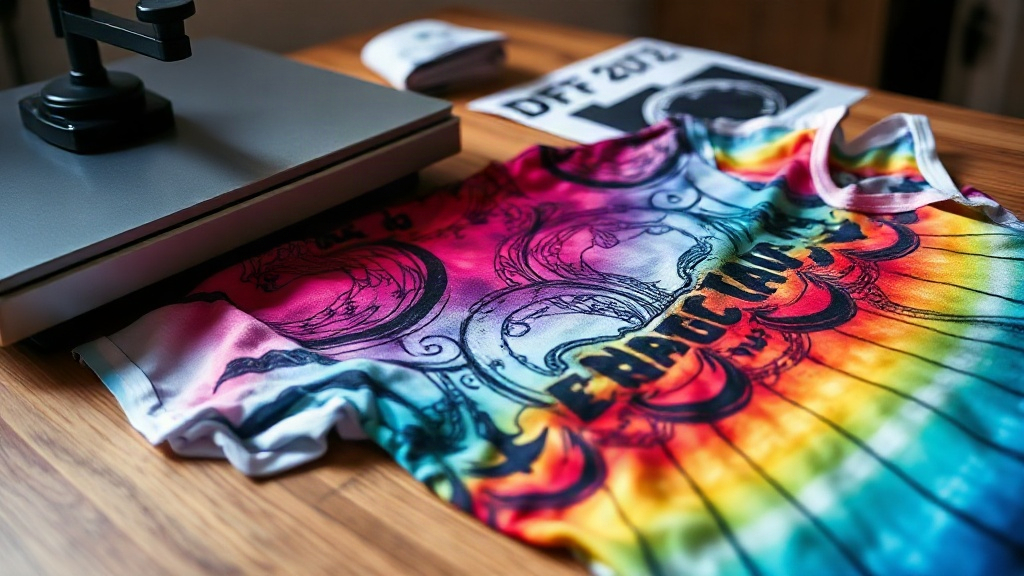
When it comes to custom apparel, DTF transfers have quickly become a game-changer for businesses and hobbyists alike. Unlike traditional methods that require weeding or specialized equipment, DTF transfers offer a streamlined way to produce vibrant, full-color designs on a variety of fabrics. Whether you're running a small print shop or just starting with DIY projects, understanding how DTF transfers work can open up new possibilities for your creations.
What Are DTF Transfers?
DTF stands for Direct to Film. It's a printing technology where your design is printed onto a special PET film using water-based inks, then coated with a hot-melt adhesive powder. Once the powder is cured, the transfer is ready to be applied to fabric using a heat press. The result is a soft, stretchable print that bonds permanently to the material.
What sets DTF apart from other methods like DTG (Direct to Garment) or vinyl is its versatility. You can print on cotton, polyester, blends, and even nylon without pre-treating the fabric. This makes it ideal for a wide range of garments, from t-shirts and hoodies to tote bags and caps.
Why Choose DTF Transfers?
There are several compelling reasons why DTF transfers have gained popularity:
- No weeding required: Unlike vinyl, you don't need to cut and weed intricate designs. The printer handles all the details.
- Full-color capabilities: DTF printers use CMYK plus white ink, allowing for vibrant, photographic-quality prints with gradients and fine lines.
- Fabric versatility: Works on almost any fabric, including dark and light colors, without the need for special treatments.
- Durability: When applied correctly, DTF transfers withstand repeated washing without cracking or fading.
- Cost-effective for short runs: No minimum order quantities, making it perfect for small batches or personalized items.
For a deeper dive into the technical aspects, check out our DTF transfers guide.
How to Apply DTF Transfers
Applying DTF transfers is straightforward, but following the right steps ensures a professional finish. Here's a step-by-step guide:
- Preheat your heat press: Set the temperature to around 300-325°F (150-160°C) and preheat the garment for a few seconds to remove moisture.
- Position the transfer: Place the DTF transfer on the garment with the printed side facing up. The film should be on top.
- Press: Apply medium to firm pressure for 10-15 seconds. Use a Teflon sheet or parchment paper to protect the transfer.
- Peel: Wait for the transfer to cool completely (cold peel) or peel while hot (hot peel), depending on the film type. Most DTF transfers are cold peel.
- Post-press: For extra durability, press again for 5-10 seconds with a Teflon sheet.
Always test on a scrap piece of fabric first to dial in your press settings.
Common Mistakes to Avoid
Even with a simple process, some pitfalls can ruin your results. Here are common mistakes and how to avoid them:
- Insufficient pressure: If the transfer doesn't adhere properly, increase pressure. Uneven pressure can cause parts to lift.
- Wrong temperature: Too hot and the film may melt or the ink may scorch; too cold and the adhesive won't activate.
- Peeling too early or too late: Follow the film manufacturer's instructions for peel timing. Cold peel requires complete cooling.
- Not pre-pressing: Moisture in the fabric can cause steam and poor adhesion. Always pre-press.
- Using the wrong film: Different films are designed for different fabrics. For example, stretchy fabrics may require a stretchable DTF film.
DTF vs. Other Printing Methods
How does DTF stack up against other popular decoration methods?
DTF vs. DTG
DTG (Direct to Garment) prints directly onto the fabric, which can be limiting on dark colors and polyester. DTF transfers, on the other hand, can be applied to any color and fabric, often with better durability. However, DTG may have a slight edge in softness on 100% cotton.
DTF vs. Vinyl
Vinyl requires weeding and layering for multi-color designs, which is time-consuming. DTF transfers handle complex designs in one go, making them more efficient for detailed artwork. Vinyl can also feel thicker on the garment.
DTF vs. Screen Printing
Screen printing is cost-effective for large orders but requires setup and is impractical for small runs. DTF transfers have no minimums and allow for full-color prints without screens, making them ideal for short runs and personalized items.
Choosing the Right DTF Supplies
To get started with DTF, you'll need a few key supplies:
- DTF printer: A dedicated DTF printer with white ink capability. Alternatively, you can use a converted inkjet printer with DTF ink and film.
- DTF film: Available in sheets or rolls, both hot and cold peel options.
- Adhesive powder: Hot-melt powder that bonds the ink to the fabric.
- Heat press: A reliable heat press with accurate temperature and pressure control.
- Curing oven or heat gun: For melting the adhesive powder (if using a printer that requires separate powder application).
Quality supplies make a big difference in the final output. Invest in reputable brands to avoid clogs and poor transfer quality.
Tips for Long-Lasting DTF Prints
To ensure your DTF transfers stand the test of time, follow these tips:
- Wash inside out: Turn the garment inside out before washing to protect the print.
- Use cold water: Hot water can degrade the adhesive and inks.
- Avoid harsh detergents: Bleach and fabric softeners can break down the print.
- Tumble dry low or air dry: High heat can cause cracking.
- Iron on reverse: If ironing is needed, do it on the back of the garment, not directly on the print.
Frequently Asked Questions
How long do DTF transfers last?
With proper application and care, DTF transfers can last as long as the garment itself, often 50+ washes without significant fading or cracking.
Can I apply DTF transfers to 100% polyester?
Yes, DTF transfers work well on polyester and polyester blends. However, lower temperatures may be needed to avoid scorching.
Do I need a special printer for DTF?
You can use a dedicated DTF printer or convert an inkjet printer (like Epson) with DTF ink and film. Dedicated printers offer better reliability and white ink circulation.
What is the difference between hot peel and cold peel DTF film?
Hot peel film allows you to remove the carrier sheet immediately after pressing, while cold peel requires the transfer to cool completely before peeling. Cold peel generally provides a smoother finish.
Can I layer DTF transfers?
Yes, you can layer DTF transfers, but it's best to press each layer separately and ensure proper adhesion before adding the next.
Conclusion
DTF transfers offer a versatile, efficient, and high-quality solution for custom apparel decoration. Whether you're a small business owner or a DIY enthusiast, mastering DTF can expand your creative offerings. With the right supplies and techniques, you can produce vibrant, durable prints that impress your customers. Explore our range of DTF products at dtfpromax.com to get started today.