
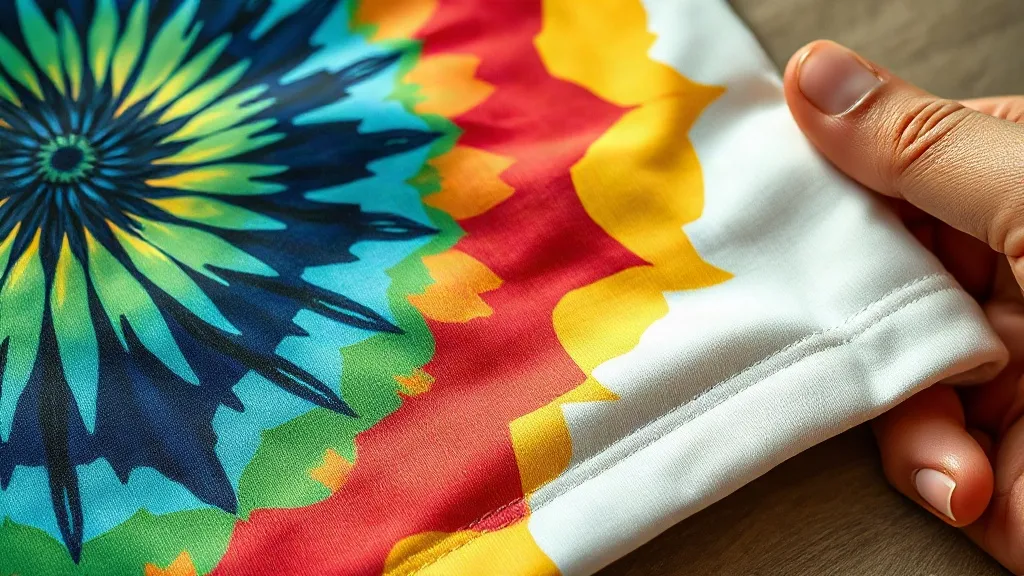
Most people judge a printed shirt with their fingers before they judge it with their eyes. They rub a thumb across the design, fold the fabric, and if the print feels like a sheet of plastic glued to the cotton, the shirt loses its appeal no matter how sharp the artwork looked on screen. That is the quiet challenge behind every dtf transfers order: getting a print that looks vivid and survives the wash while still letting the fabric behave like fabric.
I spent the better part of two years running a small decorating setup where DTF was one of three processes on the floor, and the lesson that stuck with me was simple. Hand feel is not a single setting you fix at the end. It is the sum of decisions made at the printer, at the powder station, and under the heat press. Change one and the finished shirt changes with it.
What Hand Feel Actually Means on a Finished Garment
When a customer says a print feels cheap, they are usually reacting to three separate things without knowing it. The first is thickness: how far the ink and adhesive stack rises above the weave. The second is stiffness: whether the printed area bends with the fabric or fights it. The third is edge definition, meaning whether the border of the design fades gradually into the cloth or stops at a hard, visible line.
These three qualities are related but not identical, and that is where a lot of troubleshooting goes wrong. A print can be thin and still feel stiff if the adhesive layer is over-cured. It can be soft to the touch but show an ugly glossy rim around the edges if the film was pulled too early. Treating them as one problem leads to random adjustments. Treating them separately gives you a clear path.
Ink Laydown: Where Softness Begins
The dtf process builds an image from tiny droplets of pigmented ink printed onto a coated film, then dusted with adhesive powder. Every droplet adds a little height. Print a design with heavy saturation and the film itself becomes a physical layer before the powder is even applied.
Match Ink Volume to the Garment, Not to the Artwork
A file prepared for a glossy poster and a file prepared for a cotton tee should not be printed the same way. On dark garments, white ink provides the opacity that makes colors pop, but piling on extra white layers to chase a slightly brighter red usually backfires. The print gets thicker, cures unevenly, and cracks at the fold lines within a dozen washes.
What worked in my shop was building a small library of test prints on the fabrics we sold most: 100 percent cotton ringspun, a 50/50 blend, and a lightweight polyester performance shirt. Each fabric got its own reference print with a standard color chart. When a new job came in, we compared the ink volume to the reference instead of guessing. It sounds tedious, but it cut reprints dramatically.
Halftones and Fine Detail Need Restraint
Soft gradients and fine line work are where DTF shines, but they are also where over-inking shows up first. A gradient that should fade into the shirt will instead show a faint film edge if the ink is laid down too heavily. Reducing total ink coverage and letting the white base do its job under the color usually produces a cleaner fade.
Powder and Cure: The Part Most People Rush
The adhesive powder is what bonds the printed film to the fabric, and the amount you use directly affects how the finished print feels. Too little and the design lifts at the corners. Too much and you have effectively laminated a thin sheet of plastic onto the shirt.
- Shake, do not dump. A light, even dusting that covers the wet ink is enough. Excess powder should be shaken off before curing, not baked into the print.
- Cure to the powder's spec, not to a feeling. Adhesive that is under-cured stays tacky and grabs lint; over-cured adhesive turns brittle and loses flexibility.
- Watch humidity. Powder absorbs moisture from the air, and damp powder clumps, cures unevenly, and leaves rough patches that feel gritty on the shirt.
The cure stage deserves more attention than it usually gets. In my experience, most stiffness complaints traced back to powder that was applied too generously or cured past its sweet spot, not to the printer settings. A simple check: press a finished transfer between your fingers before it goes on a garment. If it feels like a crisp sheet of paper, the adhesive layer is already too heavy.
Press Technique and the Illusion of a Soft Print
Even a well-made transfer can be ruined at the press. Pressure that is too high flattens the ink into the fabric weave and creates a hard, shiny surface. Pressure that is too low leaves the adhesive sitting on top, which feels slick and tends to peel at the edges.
Peel Temperature Changes Everything
Hot peel and cold peel films behave differently, and using the wrong method for the film in hand produces the hard edge that makes a print look applied rather than integrated. Cold peel films need to cool fully before the carrier sheet comes away; rush it and the ink stretches, leaving a ragged border. Hot peel films want a quick, smooth removal while the adhesive is still warm. Neither method is better in general. The film tells you which one to use.
Second Presses Are Not Optional
A short second press with a protective sheet or parchment over the design does two things. It settles the ink into the fabric texture and it smooths the adhesive so the surface feels even. Skipping it is one of the fastest ways to end up with a print that feels rough in some spots and slick in others.
Choosing a Supplier When You Need Consistency
Anyone searching for dtf transfers near me is usually looking for one thing: a supplier whose output does not change from order to order. Consistency matters more than any single spec sheet. A film that prints beautifully on Monday and curls on Friday is worse than a slightly thicker film that behaves the same every time.
When evaluating a supplier, ask for samples across the fabric types you actually sell, not just a single demo print on white cotton. Print the same file on a dark blend and a light performance shirt and compare how the edges hold up. Run one sample through five wash cycles before you commit to a bulk order. It takes a week and saves months of complaints.
Shops that handle a steady volume of custom work often settle on a single production partner for exactly this reason. The workflow at dtf transfers is built around repeatable output, which is the quality that matters once you are printing fifty shirts a week instead of five.
Fabric Choice Shapes the Final Result
The same transfer will feel different on different garments, and that is not a flaw in the process. Cotton absorbs adhesive into its fibers and produces a softer hand. Tightly woven synthetics resist penetration, so the print sits higher and feels firmer. Very stretchy fabrics demand a more flexible adhesive or the print will crack at the stress points regardless of how carefully it was made.
If a customer insists on a specific garment that fights the process, be honest about the tradeoff. Offering a slightly different blank that accepts the print better is a more professional answer than promising a result the fabric cannot deliver.
Frequently Asked Questions
Why does my DTF print feel stiff even after washing?
Stiffness almost always comes from too much adhesive powder or over-curing. Excess powder that was not shaken off before curing creates a thick, rigid layer. Try reducing the powder to a light, even dusting and curing strictly to the manufacturer's temperature and time, then compare the feel on a test swatch.
Can I make a DTF print softer after it has already been applied?
You can improve it slightly with a short second press under a protective sheet, which smooths the adhesive surface. You cannot remove ink or adhesive that is already bonded, so the real fix happens before pressing. Keep a reference print from a batch you were happy with and match future jobs to it.
Does a softer DTF print last as long in the wash?
Softness and durability are not opposites when the print is built correctly. A print with controlled ink laydown and properly cured adhesive stays flexible and holds up well. The prints that fail early are usually the thick ones, because a rigid layer cracks at fold lines instead of moving with the fabric.
How do I find a reliable local supplier for DTF transfers?
Ask for physical samples on the fabrics you sell, test them through several wash cycles, and check that the edges stay clean after peeling. A supplier who can send consistent samples and answer technical questions about film type and cure settings is usually a better long-term partner than one competing purely on price.