
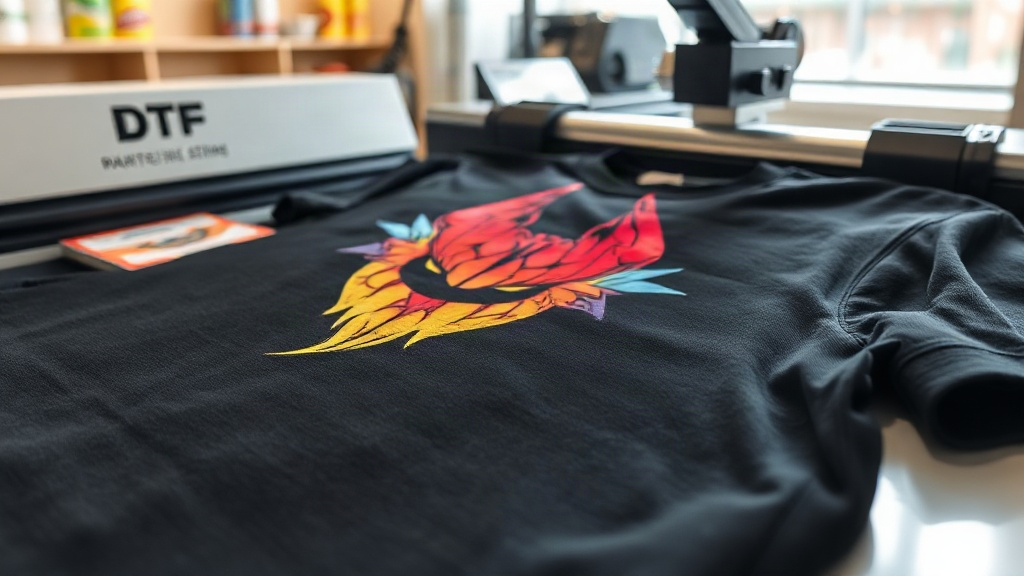
If you've been exploring custom apparel printing, you've likely encountered DTF Transfers. This innovative technology is rapidly gaining popularity among hobbyists and professionals alike, offering a versatile and cost-effective way to create vibrant, durable designs on a wide range of fabrics. Unlike traditional methods such as screen printing or vinyl cutting, DTF transfers open up new possibilities for intricate details, full-color images, and small-batch production. In this guide, we'll dive deep into what DTF transfers are, how they work, and how you can use them to elevate your custom apparel game.
What Are DTF Transfers?
DTF stands for Direct to Film. It's a printing method where your design is printed onto a special PET film using a DTF printer, then coated with a hot-melt adhesive powder. Once the powder is cured, the transfer is ready to be applied to fabric using a heat press. The result is a soft, stretchable, and highly durable print that bonds seamlessly to the material. DTF transfers differ from DTG (Direct to Garment) because the design is printed onto a film first, allowing for more consistent results across different fabric types and colors.
How DTF Transfers Work: Step by Step
Understanding the DTF process helps you appreciate its versatility and troubleshoot any issues. Here's a breakdown of the key steps:
- Design Preparation: Your artwork is prepared in a graphics program, ensuring it's mirrored (unless your printer software does it automatically) and sized appropriately.
- Printing: A DTF printer uses CMYK plus white ink to print the design onto a PET film. The white ink acts as a base, allowing the design to show up on dark garments.
- Powdering: While the ink is still wet, a hot-melt adhesive powder is applied evenly over the print. Excess powder is shaken off.
- Curing: The film with powder is heated to melt the powder, creating a adhesive layer that will bond to the fabric.
- Transfer: The cured film is placed onto the garment and pressed with a heat press at specific temperature, pressure, and time. After pressing, the film is peeled off (hot or cold peel depending on the film type), leaving the design adhered to the fabric.
Why Choose DTF Transfers?
DTF transfers offer several advantages that make them a go-to choice for many apparel decorators:
- Fabric Versatility: Unlike DTG, which works best on 100% cotton, DTF transfers can be applied to cotton, polyester, blends, and even some synthetic fabrics. This makes them ideal for a wide range of garments, from t-shirts to hoodies and even tote bags.
- Vibrant Colors: The white ink base allows for bright, opaque colors on both light and dark fabrics, without the need for multiple screens or layers.
- Fine Detail: DTF printing excels at reproducing intricate details, gradients, and photographic images with high fidelity.
- Cost-Effective for Small Runs: Without the setup costs of screen printing, DTF is economical for short runs and one-off designs. You can print a single transfer or thousands with consistent quality.
- Durability: When applied correctly, DTF transfers withstand repeated washing without cracking, peeling, or fading. The prints are also stretchable, making them comfortable on stretchy fabrics.
- No Weeding: Unlike heat transfer vinyl (HTV), DTF transfers require no weeding, saving time and reducing waste.
DTF vs. Other Printing Methods
To help you decide if DTF is right for your project, let's compare it to other popular methods:
DTF vs. DTG
DTG prints directly onto the garment, which is great for 100% cotton and producing a soft hand. However, DTG requires pre-treatment and can be less vibrant on dark colors. DTF, on the other hand, works on more fabrics and produces more consistent results, especially on polyester and blends.
DTF vs. Screen Printing
Screen printing is cost-effective for large orders but has setup costs and is limited in color complexity. DTF shines for detailed, multi-color designs and small batches, with no screen setup required.
DTF vs. HTV
HTV is great for simple, single-color designs but requires weeding and layering for multiple colors. DTF handles complex designs in one go, with no weeding, and offers a softer feel for large prints.
Applications of DTF Transfers
DTF transfers are incredibly versatile and can be used for:
- Custom t-shirts, hoodies, and sweatshirts
- Sportswear and team uniforms
- Promotional items like tote bags and caps
- Personalized gifts
- Fashion apparel with intricate designs
Whether you're a small business owner, a craft enthusiast, or a large-scale producer, DTF transfers can streamline your workflow and expand your product offerings.
Tips for Successful DTF Transfer Application
To get the best results with DTF transfers, keep these tips in mind:
- Choose the Right Film: Not all DTF films are created equal. Select a film that matches your printer and desired finish (matte or glossy).
- Control Moisture: Fabric should be dry before pressing. Pre-press the garment to remove moisture and wrinkles.
- Follow Settings: Each film and powder combo has recommended temperature, pressure, and time. Start with the manufacturer's guidelines and adjust as needed.
- Peel Technique: Some films are hot peel, others cold peel. Knowing which you have prevents premature peeling or adhesive failure.
- Post-Press: After peeling, a second press (without film) can improve wash durability.
Common Challenges and How to Overcome Them
Even with a great setup, you might encounter issues. Here are some common problems and solutions:
- Insufficient Adhesion: Usually caused by low pressure, low temperature, or insufficient time. Increase one variable at a time and test.
- Cracking: Often due to over-stretching the garment during pressing or insufficient powder. Ensure even powder coverage and avoid stretching.
- Color Fading: May result from under-curing the powder or using low-quality inks. Use reputable supplies and follow curing guidelines.
- Film Residue: If film doesn't peel cleanly, it might be due to incomplete curing or wrong peel temperature. Adjust accordingly.
Frequently Asked Questions About DTF Transfers
Can DTF transfers be applied to any fabric?
DTF transfers work on a wide range of fabrics, including cotton, polyester, blends, and some synthetics. However, fabrics with heavy coatings or waterproof finishes may require special handling or may not be suitable. Always test on a sample first.
How durable are DTF transfers?
When applied correctly, DTF transfers are highly durable. They can withstand dozens of washes without cracking, peeling, or fading. Proper washing inside out in cold water and avoiding bleach will extend the life of the print.
Do I need a special printer for DTF transfers?
Yes, DTF printing requires a dedicated DTF printer that uses pigment inks and white ink, along with a shaker and oven for powder application and curing. However, you can also purchase pre-made DTF transfers from suppliers and apply them with a heat press.
What is the difference between hot peel and cold peel DTF film?
Hot peel film allows you to remove the carrier film immediately after pressing while it's still hot, which speeds up production. Cold peel film requires the transfer to cool completely before peeling, often resulting in a smoother finish. The choice depends on the film manufacturer's instructions and your workflow.
Can I layer DTF transfers?
Yes, you can layer DTF transfers to create multi-color or multi-design effects. Press the first transfer, peel, then apply the second on top. Adjust pressure and time for subsequent layers to avoid over-pressing.
DTF transfers are revolutionizing the custom apparel industry with their versatility, vibrant results, and ease of use. Whether you're just starting out or looking to expand your printing capabilities, incorporating DTF into your toolkit can open up a world of creative possibilities. With the right supplies and techniques, you'll be producing professional-quality apparel in no time.