
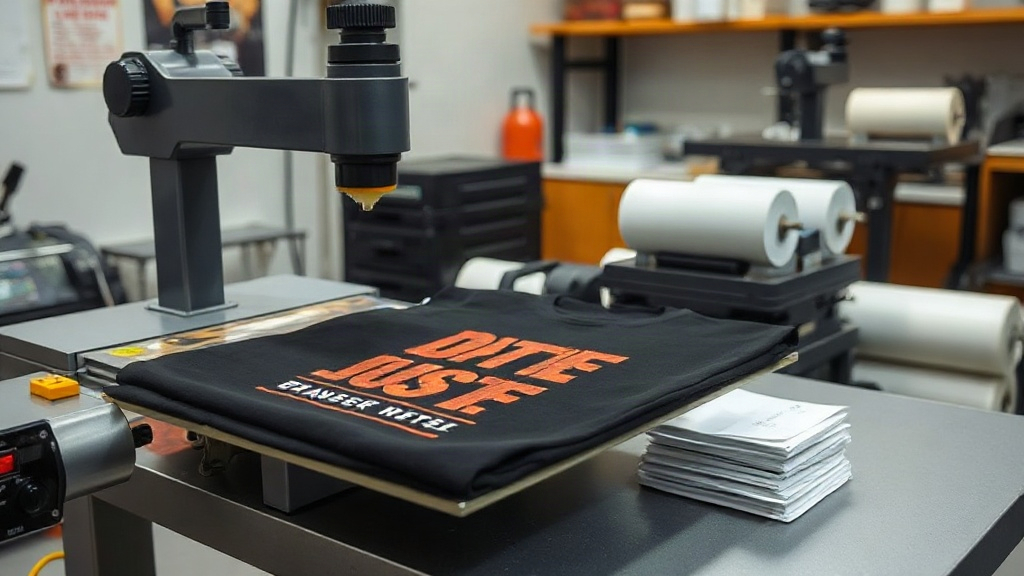
If you've been exploring custom apparel printing, you've likely encountered the term DTF Transfers. This technology has rapidly become a favorite among small business owners, crafters, and large-scale manufacturers alike. But what exactly are DTF Transfers, and why are they causing such a buzz in the printing community? In this guide, we'll dive deep into the world of DTF printing, from the science behind the transfer to practical application tips. Whether you're a seasoned pro or just starting out, understanding DTF Transfers can elevate your custom apparel game and open up new creative possibilities.
What Are DTF Transfers?
DTF stands for Direct to Film. Unlike DTG (Direct to Garment) printing, which prints directly onto the fabric, DTF printing involves printing your design onto a special film, coating it with adhesive powder, and then transferring it onto the garment using a heat press. The result is a vibrant, durable print that adheres to a wide range of materials, including cotton, polyester, blends, and even nylon. DTF Transfers are essentially the printed film with the design, ready to be applied.
Why Choose DTF Transfers Over Other Methods?
There are several printing methods available, each with its own strengths and weaknesses. So why should you consider DTF Transfers? Here are some compelling reasons:
- Versatility: DTF transfers work on almost any fabric, including dark colors, which can be challenging for other methods like DTG.
- Durability: When applied correctly, DTF prints are highly resistant to cracking, peeling, and fading, even after multiple washes.
- Detail and Color: DTF printing can reproduce intricate details and vibrant colors, including gradients and photographic images, with exceptional clarity.
- Cost-Effective for Small Runs: Unlike screen printing, which requires separate screens for each color, DTF transfers are cost-effective for short runs and one-off designs.
- No Weeding: Unlike heat transfer vinyl (HTV), DTF transfers don't require weeding, saving you time and effort.
How DTF Transfers Are Made
Understanding the production process can help you appreciate the quality of DTF Transfers. Here's a step-by-step overview:
- Design Preparation: Your artwork is prepared digitally, ensuring it's in the correct format and color mode (usually CMYK).
- Printing: A DTF printer prints the design onto a PET film using special DTF inks. The printer lays down a white ink layer first, followed by the color layers, and finally a white base layer (or vice versa, depending on the printer).
- Powdering: While the ink is still wet, a hot-melt adhesive powder is applied evenly over the printed film.
- Curing: The film passes through a curing oven or under a heat source to melt the powder, creating a dry, adhesive layer.
- Ready to Use: The resulting transfer is now ready to be applied to garments.
How to Apply DTF Transfers
Applying DTF Transfers requires a heat press, but the process is straightforward. Here's a step-by-step guide:
- Preheat the Garment: Set your heat press to the recommended temperature (usually 300-325°F or 150-160°C). Preheat the garment for a few seconds to remove moisture and wrinkles.
- Position the Transfer: Place the DTF transfer on the garment with the printed side facing up. If your transfer has a clear carrier film, the design should be facing up.
- Press: Apply medium to firm pressure for 10-15 seconds. The exact time and temperature may vary depending on the transfer manufacturer and fabric type.
- Peel: After pressing, allow the transfer to cool completely before peeling off the carrier film. This is known as a cold peel. Some transfers may require a hot peel, so always check the instructions.
- Post-Press (Optional): For added durability, you can cover the design with a Teflon sheet or parchment paper and press again for a few seconds.
Tips for Perfect DTF Transfers
To ensure your DTF Transfers look professional and last long, keep these tips in mind:
- Choose the Right Fabric: While DTF works on many fabrics, it adheres best to cotton and cotton-poly blends. For nylon or other synthetics, test a small area first.
- Preheat Properly: Removing moisture is crucial; otherwise, the transfer may not adhere properly.
- Use Consistent Pressure: Uneven pressure can cause parts of the design to peel or fade. Make sure your heat press is calibrated.
- Follow Temperature and Time Guidelines: Each DTF transfer may have specific requirements. Always refer to the manufacturer's instructions.
- Cool Before Peeling: Peeling too early can distort the design or leave adhesive residue.
- Wash Inside Out: To prolong the life of your DTF-printed garment, wash it inside out in cold water and avoid harsh detergents.
Common Applications of DTF Transfers
DTF Transfers are incredibly versatile and can be used for a wide range of applications, including:
- Custom T-shirts: Create personalized tees for events, teams, or businesses.
- Sportswear: Add numbers, names, and logos to jerseys and uniforms.
- Bags and Accessories: Personalize tote bags, backpacks, and hats.
- Home Decor: Print on pillows, blankets, and canvas.
- Promotional Items: Produce branded merchandise for marketing campaigns.
Frequently Asked Questions About DTF Transfers
How long do DTF transfers last?
When applied correctly and cared for properly, DTF Transfers can last as long as the garment itself. They are resistant to cracking, peeling, and fading, and can withstand dozens of washes.
Can I use DTF transfers on dark fabrics?
Absolutely! One of the biggest advantages of DTF Transfers is that they work beautifully on dark fabrics. The white ink layer in the transfer ensures that colors remain vibrant and opaque.
Do I need a special printer to make DTF transfers?
Yes, DTF printing requires a dedicated DTF printer that uses special DTF inks and can handle the film. However, if you don't want to invest in a printer, you can purchase pre-made DTF Transfers from suppliers like DTF ProMax.
What is the difference between DTF and DTG?
DTG (Direct to Garment) printing prints directly onto the fabric, while DTF (Direct to Film) printing involves printing onto a film and then transferring it. DTF is more versatile with fabrics and often more durable, while DTG is limited mostly to cotton and can be more expensive for small runs.
How do I store DTF transfers?
Store DTF Transfers in a cool, dry place away from direct sunlight. Keep them flat or rolled to avoid creasing. Properly stored transfers can last for several months.
With this knowledge, you're ready to explore the exciting possibilities of DTF Transfers. Whether you're creating custom apparel for your business or personal projects, DTF technology offers a reliable, high-quality solution that stands out. For premium DTF transfers and supplies, visit DTF ProMax at dtfpromax.com.