
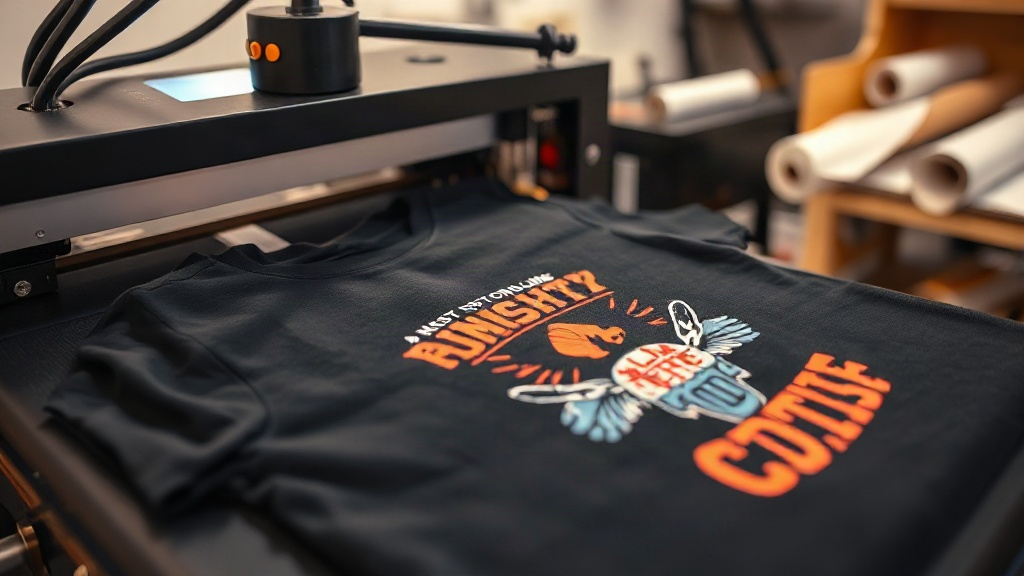
If you've been exploring custom apparel printing, you've likely encountered DTF Transfers. This technology has rapidly gained popularity for its versatility and vibrant results. Unlike traditional methods that require specific fabrics or extensive setup, DTF transfers offer a straightforward way to add full-color designs to almost any material. In this guide, we'll walk you through what DTF transfers are, how they work, and how to apply them like a pro. Whether you're a small business owner or a DIY enthusiast, understanding DTF transfers can open up a world of possibilities for your custom projects.
What Are DTF Transfers?
DTF stands for Direct to Film. It's a printing process where your design is printed onto a special film, coated with a adhesive powder, and then heat-pressed onto your fabric. The result is a soft, stretchable, and durable print that can be applied to cotton, polyester, blends, and even leather. Unlike DTG (Direct to Garment) which requires pre-treatment and works best on 100% cotton, DTF transfers are incredibly versatile and often more cost-effective for small to medium runs.
Why Choose DTF Transfers?
There are several reasons why DTF transfers have become a go-to solution for many printers and crafters. Here are the key benefits:
- Versatility: DTF transfers adhere to a wide range of fabrics, including cotton, polyester, nylon, and leather. No need for multiple printing methods.
- Vibrant Colors: The process uses CMYK + white inks, allowing for bright, opaque colors even on dark garments.
- Durability: When applied correctly, DTF prints resist cracking, peeling, and fading, even after multiple washes.
- Cost-Effective for Small Runs: No minimum order quantities, no screens or plates. You can print one-offs or large batches with ease.
- Soft Feel: Unlike some heat transfers that feel plastic-y, DTF prints have a soft hand feel that blends with the fabric.
How DTF Transfers Work: Step by Step
Understanding the process helps you appreciate the magic behind DTF transfers. Here's a breakdown of the steps involved in creating and applying a DTF transfer.
1. Design Preparation
Your design is prepared in a graphics program and printed onto a special PET film using DTF printers. The printer lays down a layer of white ink as a base, followed by the color layers. This ensures the colors pop on any fabric color.
2. Powder Application
After printing, a thermoplastic adhesive powder is sprinkled over the wet ink. The excess powder is shaken off, and the film is heated to melt the powder, creating a adhesive layer that will bond to the fabric.
3. Curing
The film is then cured in an oven or with a heat press to activate the adhesive. This step is crucial for wash durability.
4. Transfer Application
Finally, the transfer is placed on the garment and heat-pressed. The heat and pressure release the design from the film and bond it permanently to the fabric. After pressing, you peel off the film (hot or cold peel depending on the film type), leaving a vibrant, durable print.
Comparing DTF to Other Printing Methods
How does DTF stack up against DTG, screen printing, and vinyl? Let's compare:
- DTG: Best for 100% cotton, requires pre-treatment, can be expensive for small runs. DTF works on more fabrics and has lower setup costs.
- Screen Printing: Cost-effective for large orders but requires screens and setup. DTF is better for detailed designs and small batches.
- Vinyl: Limited to simple designs and single colors. DTF allows full-color, photographic designs.
For many businesses, DTF transfers offer the best balance of quality, versatility, and cost.
Tips for Perfect DTF Transfers
To get the best results with DTF transfers, follow these expert tips:
- Choose the Right Film: Not all DTF films are created equal. Use high-quality film designed for your printer.
- Control Moisture: Fabric should be dry before pressing. Moisture can cause adhesion issues.
- Pre-Press: Always pre-press the garment to remove wrinkles and moisture.
- Use Consistent Pressure: Heat press pressure should be even. Too little pressure means poor adhesion; too much can cause ink spread.
- Follow Temperature and Time: Typically, 320°F for 15-20 seconds. But always check your film's recommendations.
- Peel Correctly: Some films require hot peel, others cold. Know your film type.
- Post-Press for Durability: A second press with a cover sheet can improve washability.
Common Mistakes to Avoid
Even experienced crafters can make mistakes with DTF transfers. Here are some pitfalls to avoid:
- Not Pre-Pressing: Skipping pre-press can lead to uneven transfers.
- Incorrect Temperature: Too hot or too cold can ruin the transfer.
- Peeling Too Early or Late: This can cause the design to lift or leave residue.
- Using the Wrong Fabric: While DTF works on many fabrics, some like treated nylon may require special low-temperature films.
Applications of DTF Transfers
DTF transfers are used in a variety of industries and personal projects. Here are some popular applications:
- Custom t-shirts, hoodies, and activewear
- Team uniforms and sports jerseys
- Promotional products and corporate giveaways
- Personalized gifts like tote bags and pillowcases
- Fashion apparel with intricate designs
Frequently Asked Questions
Can DTF transfers be applied to any fabric?
DTF transfers work on a wide range of fabrics including cotton, polyester, blends, and leather. However, some specialized fabrics like treated nylon may require low-temperature films. Always test on a scrap first.
How long do DTF transfers last?
With proper application and care, DTF transfers can last as long as the garment itself. They resist cracking, peeling, and fading through many wash cycles.
Do I need a special printer for DTF transfers?
Yes, DTF printing requires a dedicated DTF printer that uses pigment inks and white ink. However, you can also buy pre-made DTF transfers from suppliers if you don't want to invest in a printer.
What is the difference between DTF and DTG?
DTG prints directly onto the garment, while DTF prints onto a film that is then transferred. DTF works on more fabric types and often produces more vibrant colors on dark garments. DTG is typically limited to cotton.
Can I wash a DTF-printed garment?
Yes, DTF prints are durable and washable. Turn the garment inside out, wash in cold water, and avoid harsh detergents. Tumble dry low or hang dry.
Conclusion
DTF transfers have revolutionized the custom apparel industry by offering a versatile, cost-effective, and high-quality printing solution. Whether you're a business looking to expand your product offerings or a hobbyist wanting to create personalized items, mastering DTF transfers can set you apart. Remember to follow the best practices we've outlined, and you'll be rewarded with prints that look great and last. For high-quality DTF supplies and transfers, visit DTF ProMax.