
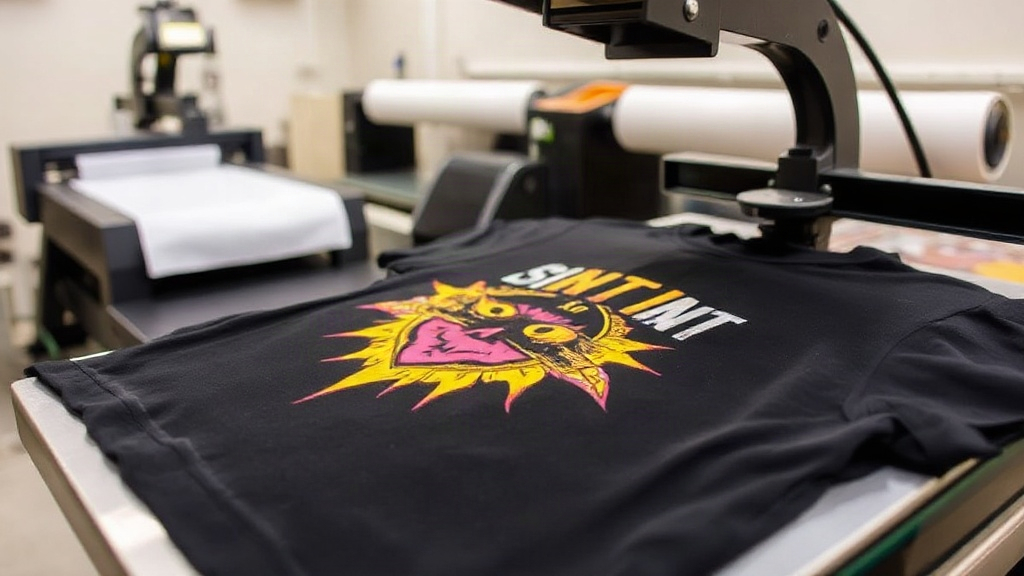
Imagine pressing a vibrant, full-color design onto a cotton t-shirt in under a minute, with no weeding, no masking, and no special fabric pretreatment. That's the promise of DTF transfers, a digital printing technology that has taken the apparel decoration world by storm. Whether you're a small business owner, a hobbyist, or just curious about custom apparel, understanding DTF transfers can open up a world of creative possibilities. In this guide, I'll walk you through the entire process, from design to finished product, and share practical tips I've learned from countless hours of printing.
What Are DTF Transfers?
DTF stands for Direct to Film. Unlike DTG (Direct to Garment) printing, which prints directly onto the fabric, DTF involves printing your design onto a special PET film, coating it with a thermoplastic powder, and then transferring it to the fabric using a heat press. The result is a soft, stretchable, and durable print that adheres to a wide range of materials, including cotton, polyester, blends, and even leather.
The process is surprisingly straightforward: print, powder, cure, press. But each step has nuances that affect the final quality. Let's break it down.
The DTF Printing Process Step by Step
1. Design Preparation
Start with a high-resolution image. DTF printers use CMYK plus white ink, so your design should be in RGB or CMYK mode. Remember that the white ink layer sits behind the colors, so any transparent areas in your design will show the white base. If you want the fabric color to show through, you'll need to manually remove the white underbase in those areas using your RIP software. I recommend designing with a transparent background and then adding white where needed.
2. Printing onto Film
Load the DTF film into your printer, ensuring the coated side faces the printhead. The printer lays down a layer of white ink first (the base), followed by the color layers. Some printers allow you to adjust the white ink density; more white means a more opaque print but also a thicker feel. For dark garments, you'll want a solid white base. For light garments, you can reduce the white to keep the print soft.
3. Powdering and Curing
While the ink is still wet, you sprinkle hot-melt adhesive powder over the print. The powder sticks to the wet ink. Then you shake off the excess and cure the film in an oven or with a heat gun until the powder melts and becomes glossy. This step is critical: undercuring leads to poor adhesion, while overcuring can make the film brittle. I use a dedicated DTF powder shaker and curing oven, but you can start with a manual process.
4. Heat Press Application
Set your heat press to around 160°C (320°F) with medium pressure. Place the transfer on the garment, cover it with a Teflon sheet or parchment paper, and press for 10-15 seconds. Then peel the film off while it's still hot (hot peel) or after it cools (cold peel), depending on the film type. Most DTF films are hot peel, which is faster. After peeling, give it a second press for 5-10 seconds to ensure the print is fully embedded into the fabric.
Why Choose DTF Transfers?
There are several reasons DTF has become my go-to method for custom apparel:
- No pretreating: Unlike DTG, you don't need to pretreat the garment, saving time and money.
- Works on many fabrics: Cotton, polyester, blends, leather, and even wood. If it can handle heat, you can probably press a DTF transfer onto it.
- Vibrant colors: The white ink base makes colors pop on both light and dark garments.
- Soft hand feel: Modern DTF films and powders produce prints that are thin and stretchy, not like the plastic-y transfers of the past.
- Cost-effective for short runs: No screens or setup fees, so you can print one-off designs economically.
However, it's not perfect. DTF prints can be less durable than screen printing if not applied correctly, and the process requires a dedicated printer and supplies. But for many small businesses and creators, the benefits outweigh the drawbacks.
Common Challenges and How to Overcome Them
Adhesion Issues
If your transfer peels off after washing, it's usually due to insufficient pressure, incorrect temperature, or undercuring the powder. Make sure your heat press is calibrated and apply firm pressure. I always do a wash test with a sample before selling.
Color Fading
Cheap inks or films can lead to faded prints over time. Invest in quality supplies from reputable brands. Also, washing garments inside out in cold water and avoiding bleach will extend the life of the print.
Film Jamming
DTF film can jam in the printer if the humidity is too high or the film is not loaded correctly. Store film in a dry place and feed it straight. Some printers have a film guide that helps.
DTF vs. Other Transfer Methods
How does DTF compare to vinyl, screen printing, or DTG? Vinyl is great for simple one-color designs but can't handle complex images. Screen printing is cost-effective for large orders but requires setup and is limited to certain fabrics. DTG excels on 100% cotton but needs pretreating and can be inconsistent. DTF sits in the sweet spot: it handles detailed, multi-color designs on almost any fabric without pretreating, making it ideal for small to medium runs and on-demand printing.
Frequently Asked Questions About DTF Transfers
How long do DTF transfers last?
With proper application and care, DTF transfers can last 50+ washes. The key is correct pressing and washing inside out in cold water. Avoiding high heat in the dryer also helps.
Can I use DTF transfers on dark shirts?
Absolutely. DTF transfers include a white ink base that makes colors vibrant on dark fabrics. You just need to ensure the white layer is thick enough to block the shirt color.
Do I need a special printer for DTF?
Yes, you need a DTF printer that uses DTF inks and can print white ink. Converted inkjet printers are available, but dedicated DTF printers offer better reliability and print quality.
What is the best way to store DTF transfers?
Store unused transfers in a cool, dry place, away from direct sunlight. Keep them flat to avoid creasing. Properly stored, they can last for months.
Can I stretch a DTF print?
DTF prints are stretchable, but they can crack if stretched beyond their limit. For stretchy fabrics like spandex, use a transfer with a stretchable powder and press at a lower temperature to maintain flexibility.
DTF transfers have revolutionized the way we create custom apparel, offering a versatile, cost-effective solution for vibrant designs on almost any fabric. By mastering the process and avoiding common pitfalls, you can produce professional-quality prints that delight your customers. Give it a try, and you might find it becomes your favorite decoration method too.