
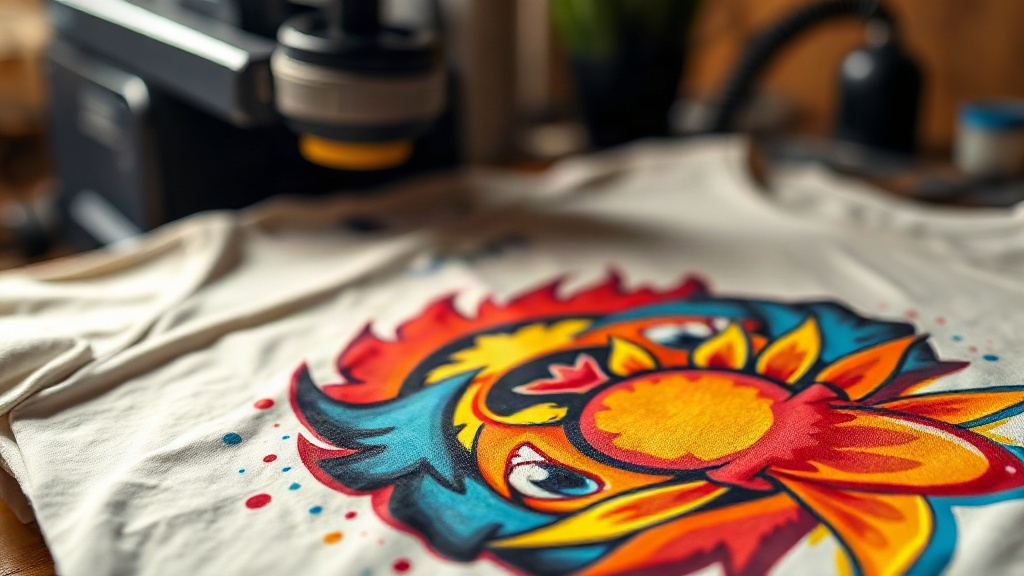
When you first hear about DTF printing, you might wonder if it's just another heat transfer method. But DTF, or Direct to Film, has quietly become a go-to solution for printing on cotton and cotton blends. Unlike DTG, which requires pretreating and works best on 100% cotton, DTF transfers can adhere to a wide range of fabrics, including 50/50 blends and even some synthetics. That flexibility makes it a favorite for small print shops and hobbyists alike. In this guide, I'll share what I've learned from countless trials (and a few errors) so you can achieve professional-looking results on cotton without the guesswork.
What Makes DTF Printing Different?
Traditional heat transfer papers often leave a plastic feel or crack after a few washes. DTF printing uses a different approach: your design is printed onto a special film, coated with a hot-melt adhesive powder, and then heat-pressed onto the fabric. The result is a soft, stretchable print that bonds mechanically to the fibers. Because the adhesive powder is the key, DTF can stick to cotton, polyester, and blends. That's a big deal if you're printing on dark cotton tees where DTG might struggle to show vibrant colors.
The Role of the Adhesive Powder
Not all powders are created equal. Thermoplastic polyurethane (TPU) powder is the standard for DTF because it melts at a lower temperature and remains flexible. When you shake the powder onto the wet print, you want an even coat. Too little, and the transfer peels; too much, and you get a stiff, rubbery feel. I keep a small tub of powder and a dedicated scoop; cross-contamination with other powders can ruin the batch. After shaking, you cure the powder with a heat gun or in an oven until it gels. That step is crucial: undercured powder won't bond properly, leading to wash-off.
Choosing the Right Cotton Fabric
Not all cotton is the same. Ring-spun cotton, common in higher-end tees, has a smoother surface that accepts DTF transfers beautifully. Carded open-end cotton, often found in budget blanks, can be a bit rougher, but with proper pressure, the adhesive still grips well. I've tested on everything from heavyweight canvas to lightweight jersey. The key is to match your press settings to the fabric weight. For a 5.3 oz cotton tee, I use medium pressure and 320°F for 15 seconds. For a thick hoodie, I increase pressure and time slightly. Always test on a scrap piece first, especially if you're using a new brand of film or powder.
Pre-Treating Cotton: Is It Necessary?
Unlike DTG, DTF does not require pre-treating. That's a huge time-saver. However, if your cotton has a stain-resistant finish or fabric softener residue, the transfer may not adhere well. A quick pre-press for 5 seconds to remove moisture and wrinkles is all you need. I also recommend washing new garments before printing to remove any sizing. But skip the fabric softener; it leaves a coating that can interfere with the adhesive.
Step-by-Step DTF Printing on Cotton
Here's my workflow, refined over dozens of jobs. It's not the only way, but it's reliable.
- Prepare your design: Mirror your image if your printer requires it. For DTF, you print on the coated side of the film, so the image should be mirrored if you're using a transfer film that requires it. Most DTF films are printed on the matte side, and the image is not mirrored. Check your film's instructions.
- Print: Use a dedicated DTF printer or convert an Epson with DTF inks. Quality matters: clogged nozzles show up as missing lines.
- Apply powder: While the ink is wet, sprinkle TPU powder generously. Shake off excess. You want a uniform, thin layer.
- Cure the powder: Use a heat gun or oven at 300-320°F until the powder turns glossy. It should look like a smooth, gel-like coating.
- Press: Preheat your press to 320°F. Place the transfer on the garment, powder side down. Press for 15 seconds with medium pressure.
- Peel: Wait a few seconds for the film to cool slightly, then peel it off in a smooth, steady motion. If you peel too hot, the print may stretch.
That's it. No pre-treat, no post-press. Just a vibrant, durable print.
Common Pitfalls and How to Avoid Them
Even with experience, things can go wrong. Here are the issues I see most often.
- Peeling after wash: Usually caused by undercured powder or insufficient pressure. Increase pressure and ensure the powder is fully gelled before pressing.
- Cracking: Often due to too much powder or overstretching the garment when peeling. Use a thin, even layer and peel slowly.
- Dull colors: If your prints look faded, check your ink levels and print head alignment. Also, make sure you're using the correct color profile for DTF.
- Adhesive residue on the film: If the film peels off but leaves a sticky residue, your powder wasn't cured enough. Cure longer or at a slightly higher temperature.
Washing and Care Tips
To keep your DTF prints looking new, turn the garment inside out and wash in cold water. Avoid bleach and fabric softener. Tumble dry low or hang dry. With proper care, a well-made DTF transfer can outlast the garment itself. I have test shirts that have gone through 50+ washes with no fading or cracking.
DTF vs. Other Printing Methods on Cotton
How does DTF stack up against DTG, screen printing, and vinyl? For small runs with multiple colors, DTF is often the most cost-effective and versatile. Screen printing requires separate screens per color, which gets expensive for complex designs. DTG works great on 100% cotton but struggles on blends and dark colors without pretreat. Vinyl is durable but limited to simple shapes. DTF hits a sweet spot: full-color, photographic-quality prints on almost any fabric, with minimal setup.
Frequently Asked Questions
Can I use DTF on 100% cotton?
Absolutely. DTF works exceptionally well on 100% cotton, as well as blends and synthetics. The adhesive powder bonds to the fibers, creating a durable print.
How long does a DTF print last on cotton?
With proper application and care, a DTF print can last as long as the garment. Expect 50+ washes without significant fading or cracking.
Do I need a special printer for DTF?
You can use a dedicated DTF printer or convert an Epson printer with DTF inks and a powder shaker. Many beginners start with a converted Epson.
What temperature should I press DTF on cotton?
Typically 320°F (160°C) for 15 seconds with medium pressure. Adjust for fabric weight and thickness.
Can I stretch the garment after printing?
Yes, DTF prints are stretchable, but avoid overstretching immediately after pressing. Let the print cool completely before stretching.