
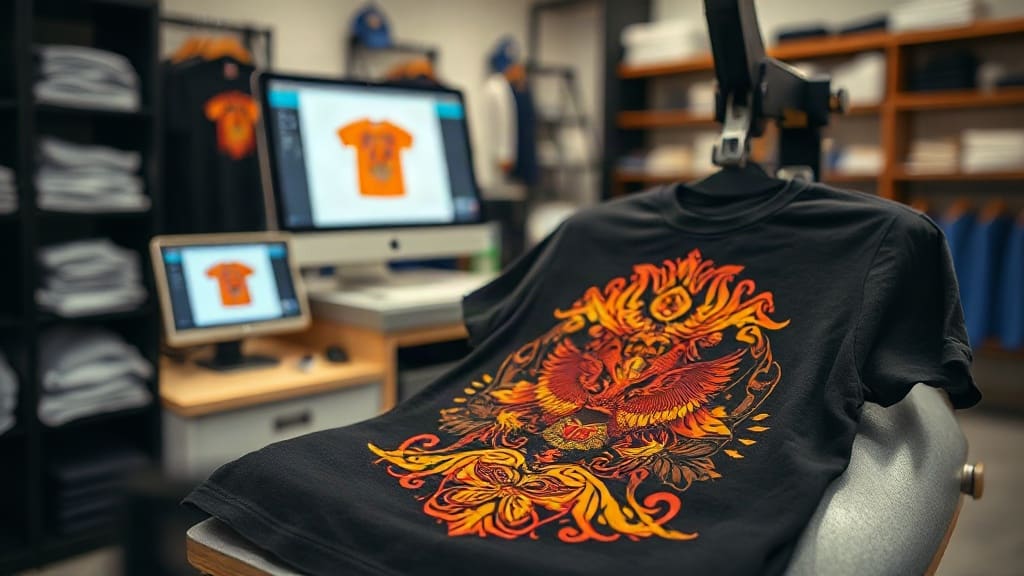
Have you ever wondered how custom T-shirts with vibrant, detailed designs are made so quickly? The answer often lies in DTF transfers. This innovative printing method has taken the apparel industry by storm, offering a flexible and cost-effective alternative to traditional screen printing or heat transfer vinyl. Whether you're a small business owner, a hobbyist, or simply curious about the latest in custom printing, understanding DTF transfers can open up a world of possibilities. In this guide, we'll dive deep into what DTF transfers are, how they work, and why they might be the perfect solution for your next project.
What Are DTF Transfers?
DTF stands for Direct to Film. It's a printing process where a design is printed onto a special PET film using a DTF printer and pigment inks. The printed film is then coated with a hot-melt adhesive powder, which is melted and cured. When you're ready to apply the transfer, you place the film onto a garment (or any fabric) and apply heat with a heat press. The adhesive bonds with the fabric, leaving a vibrant, durable print behind.
Unlike direct-to-garment (DTG) printing, which prints directly onto the shirt, DTF transfers are created separately and then applied. This offers several advantages, especially for businesses that need to produce orders quickly or want to print on a variety of fabrics.
How Does the DTF Process Work?
Understanding the step-by-step process can help you appreciate the technology and troubleshoot if needed. Here's a breakdown:
- Design Creation: You start with a digital design, typically in CMYK or CMYK+White format. The design is mirrored before printing.
- Printing: The design is printed onto a roll of PET film using a specialized DTF printer. These printers use pigment inks that are more resistant to fading and cracking.
- Applying Adhesive Powder: While the ink is still wet, a hot-melt adhesive powder is applied to the printed film. This powder is usually white and is applied evenly over the entire design area.
- Melting the Powder: The film is passed through a curing oven or a heat press to melt the powder, which then forms a strong adhesive layer.
- Transfer to Garment: The finished film is placed on the garment with the design side down. Heat and pressure are applied using a heat press at around 300°F to 320°F for 15 to 20 seconds.
- Peeling: After pressing, the film is peeled away, either hot or cold depending on the product, leaving the design permanently bonded to the fabric.
This process can be done on cotton, polyester, blends, and even leather or nylon, making it incredibly versatile.
Why Choose DTF Transfers? The Benefits
There are many reasons why DTF transfers have become a favorite among custom apparel makers. Here are some key benefits:
- Vibrant Colors and Details: DTF prints are known for their sharp, vibrant colors, even on dark fabrics. The white underbase ensures that the design pops without needing a separate white layer.
- Versatility: You can print on a wide range of materials, including cotton, polyester, and blends. This opens up opportunities for items like jerseys, backpacks, and even tote bags.
- No Weeding Required: Unlike heat transfer vinyl, DTF transfers don't require any weeding. The entire design is transferred as a whole, saving time and labor.
- Soft Hand Feel: The final print is soft and flexible, not stiff or plasticky. This makes it comfortable to wear and less likely to crack.
- Perfect for Small Orders: Because you can print on demand, you can fulfill small orders or even single items without huge setup costs.
- Durability: DTF transfers can withstand numerous washes without fading or peeling, making them suitable for everyday wear.
DTF Transfers vs. Other Printing Methods
To truly appreciate DTF transfers, it's helpful to compare them with other popular methods like screen printing, DTG, and transfer vinyl.
DTF vs. Screen Printing
Screen printing is traditional and offers excellent bulk pricing, but it requires screen setup, which is costly for small runs. DTF transfers are more cost-effective for short runs and offer photorealistic details that screen printing can't achieve easily.
DTF vs. DTG
DTG prints directly onto the shirt and is great for detailed designs, but it requires a pre-treatment for dark fabrics and can be slow for production. DTF transfers are faster to reproduce since you can print multiple films at once and apply them quickly. Plus, DTF works on a wider range of fabrics.
DTF vs. Heat Transfer Vinyl (HTV)
HTV is great for simple designs and single-color logos, but it requires weeding and cannot handle complex gradients or photographs. DTF transfers handle full-color designs easily and don't need weeding.
Equipment and Materials Needed for DTF Transfers
If you're considering starting with DTF transfers, you'll need some essential equipment:
- DTF Printer (often based on Epson or other inkjet technology)
- DTF Inks (pigment inks)
- PET Film (specifically designed for DTF)
- Hot Melt Adhesive Powder
- Heat Press (at least 15x15 inches)
- Curing Oven or a powder shaker and a heat source to melt the powder
Some businesses choose to buy pre-printed DTF transfers from suppliers, which is a great way to start without a large upfront investment.
Tips for Getting the Best Results with DTF Transfers
Here are some professional tips to ensure your DTF transfers come out perfectly every time:
- Use High-Quality Designs: Since the process can capture fine details, make sure your artwork is high resolution (at least 300 DPI) and in the correct color mode.
- Mirror Your Design: Always mirror your design before printing, so it appears correctly when transferred.
- Control the Powder: Ensure an even application of adhesive powder. Too little means poor adhesion, too much can make the print stiff.
- Test with Your Fabric: Different fabrics may require different temperature and pressure settings. Do a test press on a scrap piece first.
- Follow Recommended Pressing Times: Over-pressing can cause the adhesive to bleed, while under-pressing may result in poor bonding.
- Peel Carefully: Some films require hot peel, others cold. Check the manufacturer's instructions for your film.
Common Mistakes to Avoid
Even experienced printers can make mistakes. Here are some common pitfalls and how to avoid them:
- Skipping the Test Print: Always do a test print to check colors and alignment before a full run.
- Using the Wrong Film: Make sure you use PET film meant for DTF. Using regular transparency film will not work.
- Incorrect Powder Curing: If the powder isn't fully cured, it won't bond properly. Use a temperature gun to verify the curing process.
- Ignoring Fabric Types: DTF works on many fabrics, but synthetic blends may require lower temperatures to avoid melting.
Frequently Asked Questions About DTF Transfers
How many washes can a DTF transfer withstand?
With proper application, DTF transfers can withstand 30-50 washes or more without significant fading or cracking. The durability depends on the quality of the inks, powder, and pressing conditions.
Can I use DTF transfers on dark-colored garments?
Yes, DTF transfers are ideal for dark garments because you can print a white underbase. This ensures the colors remain vibrant and opaque.
Do I need a special printer for DTF transfers?
Yes, you need a printer that can handle pigment inks and is compatible with DTF film. Many people convert Epson EcoTank printers for this purpose, but there are also dedicated DTF printers available.
Are DTF transfers suitable for small business startups?
Absolutely. DTF transfers allow you to start small with minimal investment, especially if you purchase pre-printed transfers or a small printer setup. You can produce on-demand and scale up as you grow.
Can DTF transfers be applied to materials other than fabric?
DTF transfers work on many materials including cotton, polyester, blends, and even leather, but they are not suitable for materials that melt under high heat, such as some plastics.
Final Thoughts
DTF transfers have revolutionized the custom apparel industry, offering a perfect blend of quality, versatility, and efficiency. Whether you're just starting out or looking to expand your printing capabilities, DTF transfers are a smart choice. With the right equipment and a bit of practice, you can produce stunning, durable prints that will impress your customers and keep them coming back for more. So why not give DTF transfers a try? The possibilities are endless.