
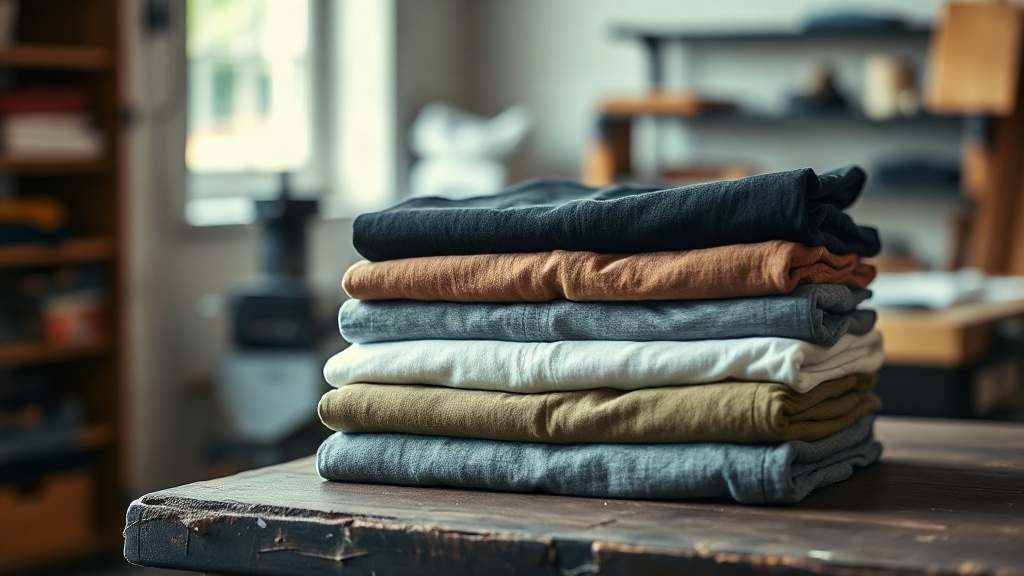
Most people discover Shaka Wear the same way: they borrow a friend's heavyweight tee, wear it once, and quietly start hunting for the label. It rarely happens through a billboard or a celebrity post. The brand grew through locker rooms, skate parks, barbershops and screen-printing shops where people care less about logos and more about whether a shirt survives a hundred washes. That reputation is worth understanding before you buy, because not every piece in the lineup fits the same way or serves the same purpose.
What Shaka Wear Actually Is
Shaka Wear is a Los Angeles-based apparel label that built its name on basics: heavyweight t-shirts, fleece, work shirts and long sleeves. The company's roots sit in wholesale and blank garment supply, which explains a lot about how the clothes feel. When a brand starts by selling to printers and shops rather than directly to shoppers, it learns quickly that a shirt has to hold up to heat presses, embroidery needles and repeated washing. Sloppy construction gets exposed fast in that world.
That background shapes the design language. You will not find much in the way of loud graphics or seasonal gimmicks. What you get instead is dense cotton, structured shoulders, and a cut that sits somewhere between a classic American tee and the boxier silhouettes that dominate West Coast streetwear. If you have ever picked up a blank that felt strangely substantial for its price, there is a decent chance it came out of the same supply chain.
Heavyweight Cotton, Explained Without the Marketing
Fabric weight is measured in ounces per square yard, usually shortened to GSM or oz. A standard promotional tee often lands around 4.5 to 5.5 ounces. Shaka Wear's core tees tend to run heavier, frequently in the 6 to 7 ounce range depending on the specific style. That difference is not cosmetic. Heavier cotton drapes instead of clinging, resists the thin, see-through look under bright light, and keeps its shape through more wash cycles.
The tradeoff is real, though. A denser shirt takes longer to break in, feels warmer in summer, and can be stiffer on day one. Some people love that crisp, structured feel immediately. Others prefer to wash it two or three times before it settles into the softness they want. Neither preference is wrong, but knowing which camp you fall into will save you from a disappointing first impression.
How to Pick the Right Size the First Time
This is where most buyers get tripped up. Because the brand serves both retail customers and wholesale accounts, sizing can shift between product lines. A heavy tee in one style may fit noticeably boxier than a similar-looking tee in another.
The reliable approach is to ignore the letter on the tag and work from measurements instead:
- Chest width: Lay a shirt you already like flat, measure pit to pit, and double it.
- Body length: Measure from the highest point of the shoulder down to the hem.
- Shoulder seam: Measure across the back from seam to seam. This tells you more about drape than chest width alone.
Compare those numbers to the size chart rather than guessing. If you are between sizes and want a relaxed streetwear look, size up. If you want a cleaner, more tailored fit for layering under a jacket, stay true to size or consider going down one, especially in the heavier cuts.
Shrinkage: What to Expect
Cotton shrinks. That is not a defect, it is physics. Most cotton garments lose a small percentage of length and width after the first hot wash and dry cycle. Heavyweight cotton tends to shrink less dramatically than thin jersey, but it still moves. If you are buying for a specific fit, wash and dry the shirt once before you judge it, and definitely before you print or alter it.
If you want to minimize shrinkage, wash cold and hang dry. If you want the shirt to settle into its final size faster, wash warm and tumble dry low once, then switch to cooler care afterward.
Printing on Shaka Wear Blanks
A large share of buyers are not wearing these shirts as-is. They are printing on them. Small brands, church groups, barber shops, gyms and independent designers all reach for heavyweight blanks because the fabric holds ink well and does not pucker under a heat press.
A few practical notes if you are printing:
- Pre-press the garment. A quick pass removes moisture and wrinkles, which prevents ink from sitting unevenly.
- Mind the seams. Thick collars and side seams can create pressure points. Use a platen that supports the full print area.
- Test your cure temperature. Heavy cotton absorbs heat differently than blends. Under-curing washes out; over-curing scorches.
- Consider the color. On dark garments, a white underbase gives you brighter, more opaque results with plastisol and water-based inks alike.
If you are working with DTF transfers specifically, heavyweight cotton is generally a friendly surface because the weave is tight and the surface is smooth. The main thing to watch is pressure. Too much and the transfer can press into the fabric texture; too little and the edges lift after a few washes.
DTF vs. Screen Printing on Heavy Blanks
Screen printing still wins on very large runs where cost per unit matters and the design uses few colors. DTF transfers make more sense for small batches, full-color artwork, and designs with fine gradients or photographic detail. On a dense cotton tee, DTF can achieve results that would require four or five screens otherwise, which is a meaningful advantage for anyone producing twenty shirts instead of two thousand.
Caring for Heavyweight Cotton So It Lasts
These shirts are built to endure, but they are not indestructible. A few habits make a noticeable difference over a year of regular wear:
- Turn garments inside out before washing to protect the outer surface and any print.
- Skip fabric softener. It coats fibers and can dull prints over time.
- Wash with similar colors and avoid overloading the machine, which causes abrasion.
- Hang dry when you can. If you must use a dryer, choose low heat.
- Store folded rather than on wire hangers, which can stretch the shoulders.
Following these steps, a heavyweight tee can easily stay in rotation for several years. The collar is usually the first thing to go on cheaper shirts, so pay attention to how it holds up after the first ten washes. That is your best early signal about overall construction quality.
Is Shaka Wear Worth It for You?
It depends on what you value. If you want a lightweight, fashion-forward tee with a trendy cut, this is probably not the brand for you. If you want a shirt that feels substantial, takes print well, holds its shape, and does not cost designer prices, it is a genuinely strong option.
The honest answer is that Shaka Wear performs best for people who treat clothing as a tool: printers, skaters, gym-goers, workers, and anyone who is tired of replacing thin shirts every few months. The brand's value comes from consistency rather than novelty, and that is exactly why it keeps showing up in the same places year after year.
Frequently Asked Questions
Does Shaka Wear run true to size?
It varies by style. Most heavyweight tees run slightly roomy compared to standard retail sizing, and some cuts are intentionally boxy. Always check the specific product's size chart and compare it to a shirt you already own rather than relying on the letter size alone.
How much does Shaka Wear shrink after washing?
Expect a small amount of shrinkage on the first hot wash and dry, typically noticeable in length more than width. Washing cold and hanging dry keeps shrinkage minimal. If you want the shirt to settle into its final size, do one warm wash and low tumble dry before regular wear.
Can you use DTF transfers on Shaka Wear shirts?
Yes. The tight, dense cotton weave takes DTF transfers well. Use moderate pressure, pre-press the garment to remove moisture, and follow your transfer supplier's temperature and time settings. Always run a test shirt before producing a full batch.
Are Shaka Wear blanks good for screen printing?
They are a common choice for screen printing because the fabric is stable and holds ink cleanly. They work especially well for multi-color designs and larger runs, while DTF tends to be more practical for smaller batches and detailed, full-color artwork.
What is the difference between heavyweight and standard cotton tees?
Heavyweight cotton usually runs around 6 to 7 ounces per square yard, while standard tees sit closer to 4.5 to 5.5 ounces. The heavier fabric drapes better, resists transparency, holds its shape longer, and generally lasts through more wash cycles, though it feels warmer and takes longer to soften.