
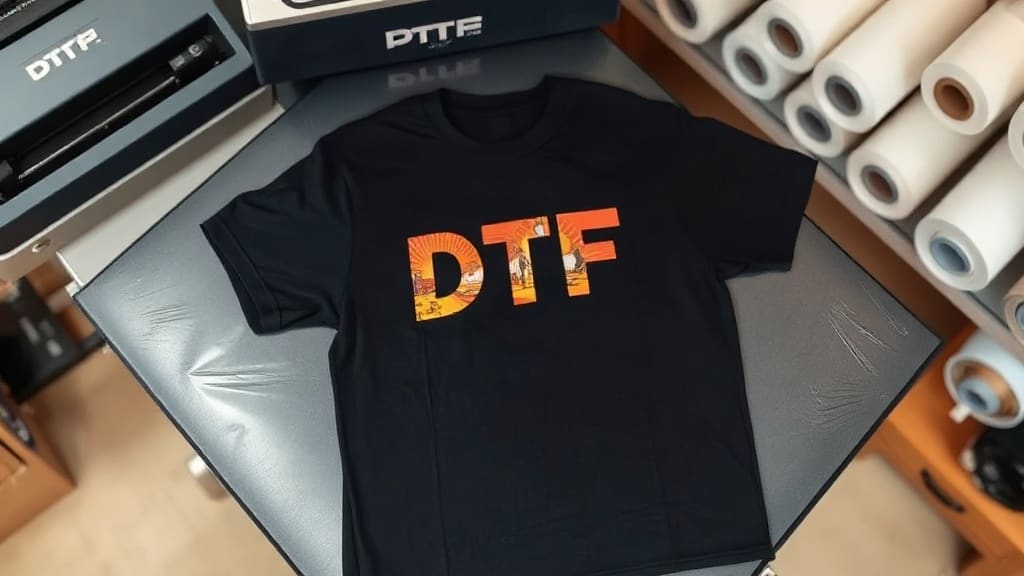
DTF transfers have taken the custom apparel industry by storm, offering a versatile and cost-effective way to create vibrant, durable designs. Whether you're a small business owner, a hobbyist, or someone curious about the latest in printing technology, this guide will walk you through everything you need to know about DTF transfers, from the printing process to application, care, and beyond. By the end, you'll have a clear understanding of why this method is becoming the go-to choice for many.
What Are DTF Transfers?
DTF stands for Direct to Film. It's a printing method where a design is printed onto a special PET film using a DTF printer. The printed film is then covered with a hot-melt adhesive powder, which is melted and cured. When you're ready to apply the design, you place the film on a garment (usually with a heat press) and the adhesive bonds the ink to the fabric. The result is a soft, stretchy, and highly detailed print that feels like part of the garment.
DTF transfers are popular because they work on a wide range of fabrics, including cotton, polyester, blends, and even hard surfaces like mugs or bags. Unlike traditional screen printing, DTF doesn't require separate screens for each color, making it perfect for full-color designs and small runs.
How DTF Transfers Work: Step by Step
Understanding the process helps you get the best results. Here's a breakdown of the DTF transfer workflow from start to finish.
1. Printing the Design
Your design is printed in reverse (mirror image) onto a special PET film using a DTF printer. These printers use CMYK ink, plus white ink as a base layer. The white layer is crucial because it makes the design opaque, so colors pop on any fabric color.
2. Applying Adhesive Powder
While the ink is still wet, the film is passed through a powder shaker that applies a fine layer of hot-melt adhesive powder. This powder sticks only to the inked areas. The film is then heated to melt the powder, which fuses it to the ink, creating a strong bond.
3. Curing
After the powder melts, the film goes through a curing process to ensure the adhesive is fully set. This step is usually integrated into the powder application machine, making the process seamless.
4. Pressing onto Garment
Once your transfer is ready, you place it on your garment with the film side up. Using a heat press, you apply heat and pressure for a specific time and temperature (typically around 320°F for 10-15 seconds). After the press, you peel off the film, revealing your design.
Benefits of DTF Transfers
Why are so many people switching to DTF? Here are the key advantages:
- Versatility: Works on a variety of fabrics, including dark colors, without requiring a white underbase.
- Soft Feel: The adhesive layer is thin, so prints don't have the heavy, rubbery feel of some other methods.
- Durability: DTF prints can withstand repeated washing without cracking or fading, if applied correctly.
- Cost-Effective: No screens or setup costs, making it ideal for small orders and prototypes.
- High Detail: Can reproduce complex, full-color designs with sharp detail.
DTF vs. Other Transfer Methods
To appreciate DTF, it helps to compare it to other popular techniques like screen printing, vinyl, and sublimation.
DTF vs. Screen Printing
Screen printing requires creating screens for each color, which is time-consuming and expensive for small runs. DTF has no setup costs and is faster for short runs. However, for very large orders (hundreds of shirts with a simple one-color design), screen printing might be more cost-effective per unit.
DTF vs. Heat Transfer Vinyl (HTV)
HTV is cut from solid sheets, so it's limited to solid colors and simple shapes. DTF can print full-color graphics with gradients and fine details. HTV also tends to have a thicker, sticker-like feel, while DTF is softer.
DTF vs. Sublimation
Sublimation works only on polyester fabrics and light colors, as it requires the ink to turn into gas and bond with the fibers. DTF works on any fabric, including dark cotton, which is a major advantage. Sublimation prints are permanent with no texture, but DTF offers more flexibility.
Costs of DTF Transfers
One of the biggest questions is: How much does DTF cost? The cost varies based on factors like print size, colors, quantity, and whether you print in-house or order premade transfers.
If you invest in a DTF printer and supplies, the per-transfer cost can be quite low, especially as you scale. For printed transfers ordered from a service, prices typically range from $2 to $10 per transfer for small sizes, with discounts for bulk orders. Setting up an in-house operation requires an initial investment of around $3,000 to $10,000 for a basic setup, but it gives you full control and lower unit costs in the long run.
How to Apply DTF Transfers Like a Pro
Application is straightforward, but attention to detail ensures a lasting print.
- Preheat your heat press to 320°F (160°C).
- Place the garment on the press, and pre-press it for 2-3 seconds to remove wrinkles and moisture.
- Position the DTF transfer on the garment, film side up.
- Press with medium to firm pressure for 10-15 seconds.
- Peel the film hot or cold (check the instructions; most recommend hot peel).
- If desired, place a Teflon sheet over the design and press again for 3-5 seconds to ensure adhesion.
Always test on a sample garment to adjust pressure and time for your specific fabric and transfer brand.
Essential Care Tips for DTF Transfers
To keep your DTF prints looking great, follow these care instructions:
- Wash garments inside out in cold water with mild detergent.
- Avoid using bleach or fabric softeners.
- Tumble dry on low heat or air dry.
- Do not iron directly on the design; if needed, iron on the reverse side.
Troubleshooting Common DTF Issues
Even with proper technique, you might encounter problems. Here are solutions to frequent issues:
Print not sticking: Increase pressure or pressing time, or check if your adhesive powder is too old.
Cracking after wash: Ensure you're using the right temperature and time for your specific transfer. Over-pressing can cause brittleness.
Faded colors: Make sure your white underbase is sufficient, especially on dark fabrics.
Bleeding in the wash: This often happens if the transfer wasn't fully cured or if the garment is washed before 72 hours after application.
Sourcing DTF Transfers vs. Printing In-House
Should you buy DTF transfers or print them yourself? It depends on your volume and needs. For small businesses or start-ups, purchasing premade transfers from a reliable supplier is convenient and requires no upfront equipment cost. For high-volume producers, in-house printing gives you creative control and faster turnaround.
Frequently Asked Questions
Can DTF transfers be used on any fabric?
Yes, DTF transfers work on cotton, polyester, blends, and even some hard surfaces like wood or glass. However, for best results, use fabrics with at least 50% cotton for optimal adhesion. Always test on a small area first.
How long do DTF transfers last?
With proper application and care, DTF prints can last as long as the garment itself. They won't fade or crack easily if you follow the recommended washing and drying instructions.
Are DTF transfers environmentally friendly?
DTF printing produces less waste compared to screen printing because there are no screens to wash or chemicals. However, the PET film and powder are not biodegradable. Innovations are emerging, but for now, it's a trade-off.
Can I use DTF transfers on mugs or other hard items?
Yes, you can apply DTF transfers to hard surfaces using a heat press that can accommodate those items. The process is similar, but you may need to adjust temperature and pressure. Some users have success with mugs and tote bags.
What type of printer do I need for DTF?
You need a DTF printer that is specifically designed to handle the white ink and powder application. These are often modified Epson or Ricoh printers. Many suppliers offer complete starter kits.
Now that you have a comprehensive understanding of DTF transfers, you're well-equipped to decide if this method is right for your projects. Whether you're creating custom shirts for your business or exploring a new hobby, DTF offers a fantastic blend of quality, flexibility, and affordability. So, why not give it a try? Your next creation could be just a press away.