
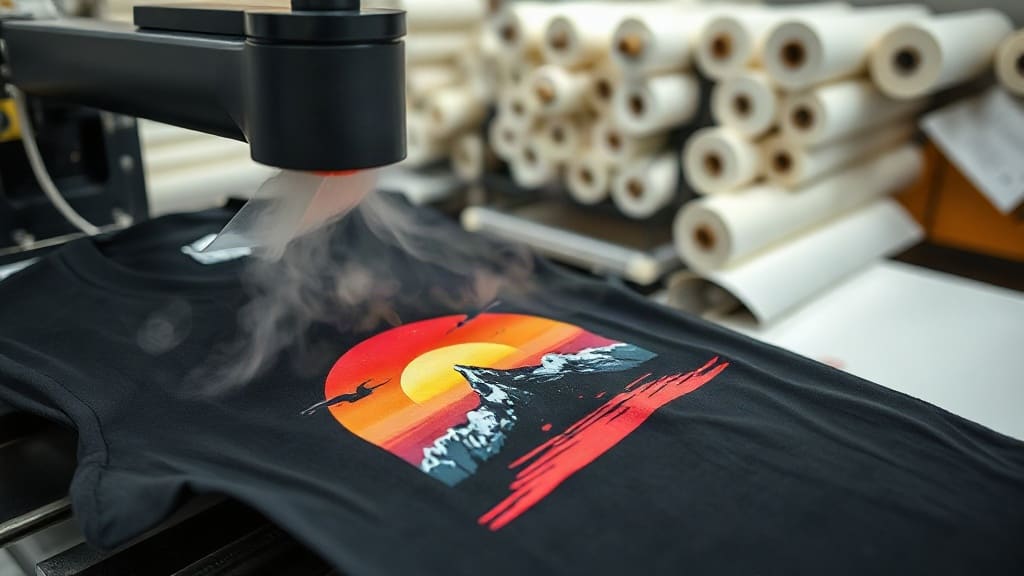
Direct to film, commonly known as DTF transfers, has revolutionized the custom printing industry. Unlike traditional methods that require screens or complex setups, DTF offers a versatile and efficient way to print vibrant designs onto various fabrics. Whether you're a small business owner, a hobbyist, or simply curious about this technology, this comprehensive guide will walk you through everything you need to know.
What Are DTF Transfers?
DTF transfers are a printing method where a design is printed onto a special PET film using a specialized printer and then transferred onto fabric using heat and pressure. The process involves printing a mirror image of the artwork onto the film, applying adhesive powder, and then curing the powder to create a tacky surface. When heat is applied, the design adheres permanently to the fabric, resulting in a soft, stretchable print that can withstand repeated washing.
How DTF Differs from Other Methods
Unlike screen printing, which requires creating a separate screen for each color, DTF prints full-color designs in a single pass. Compared to vinyl, DTF offers more detail and doesn't require weeding. And unlike sublimation, DTF works not only on polyester but also on cotton, blends, and even dark garments, making it incredibly versatile.
The DTF Process: Step by Step
To achieve professional results, it's essential to understand each stage of the DTF process.
1. Printing the Design
Using a DTF printer equipped with pigment inks, the artwork is printed in reverse onto a PET film. The printer uses white ink as a base layer, followed by CMYK colors, ensuring that the design appears vibrant even on dark fabrics.
2. Applying Adhesive Powder
Once printed, a hot-melt adhesive powder is sprinkled over the wet ink. This powder is critical because it allows the design to bond with the fabric during the heat press.
3. Curing the Powder
The film is then passed through a curing oven or heat source to melt the adhesive powder slightly, making it tacky. This step is crucial for ensuring the powder doesn't come off during handling.
4. Pressing the Film
The film is placed onto the garment, adhesive side down, and pressed with a heat press at a temperature typically around 320°F (160°C) for 15 seconds. After cooling, the film is peeled away, leaving the design on the fabric.
Why Choose DTF Transfers?
There are several compelling reasons why DTF has become a favorite among custom printers.
- Versatility: DTF works on cotton, polyester, blends, and even leather or nylon, making it ideal for a wide range of products.
- Durability: The prints are resistant to cracking and fading, even after multiple washes.
- Cost-Effective for Small Runs: There's no minimum order requirement, and setup is quick, so you can print single items or small batches economically.
- High Detail: The printing process captures fine details and gradients that are difficult to achieve with other methods.
Tips for Getting the Best Results
While DTF is straightforward, a few tips can help elevate your prints.
Choose the Right Film & Powder
Invest in quality PET film that is compatible with your printer. The adhesive powder should be fine and evenly distributed to avoid thick, stiff prints.
Pre-Press Your Garments
Before applying the transfer, pre-press the garment for a few seconds to remove moisture and wrinkles. This ensures a smooth surface and better adhesion.
Use Correct Heat Settings
Follow the manufacturer's recommendations for temperature, pressure, and time. Generally, a medium to firm pressure works best, but test on a sample fabric first.
Peel While Warm or Cold?
Most DTF films require hot peeling (immediately after pressing), but some work better with cold peeling. Read the instructions that come with your film.
Store Transfers Properly
If you're printing ahead, store the transfers in a cool, dry place away from direct sunlight to prevent the adhesive from degrading.
Common Mistakes to Avoid
Even experienced printers can run into issues. Here are some pitfalls to watch out for.
- Using low-quality inks or films that can cause poor adhesion or color fading.
- Applying too much or too little pressure, leading to incomplete transfer or crushed fabric.
- Not allowing the print to cool properly before peeling, which can result in stretching or lifting.
- Neglecting to test on a scrap piece of fabric before committing to the final product.
Applications of DTF Transfers
The flexibility of DTF makes it suitable for various uses.
Custom Apparel
From t-shirts and hoodies to baby onesies, DTF is perfect for personalized clothing.
Promotional Products
Create branded tote bags, caps, and even mouse pads with intricate logos.
Home Decor
Add custom designs to pillow covers, curtains, or tablecloths to give your living space a unique touch.
Sportswear
Because DTF prints are stretchable and durable, they work well on athletic wear that undergoes rigorous movement and washing.
DTF vs. Other Methods: A Quick Comparison
To help you decide if DTF is right for you, here's how it stacks up against other popular techniques.
Screen Printing
Screen printing is cost-effective for large quantities, but it has a high setup cost and is limited in color gradients. DTF offers full-color prints without the setup, making it ideal for short runs.
Vinyl Cutting
Vinyl is great for single-color text and shapes, but it's not suitable for detailed artwork. DTF handles complex designs with ease.
Sublimation
Sublimation produces vibrant, long-lasting prints on polyester, but it doesn't work on cotton. DTF fills that gap, allowing you to print on natural fibers.
Frequently Asked Questions About DTF Transfers
How many washes can a DTF print withstand?
A properly applied DTF transfer can withstand 40 to 60 washes without significant fading or cracking, provided you follow care instructions like washing in cold water and avoiding bleach.
Can I use DTF transfers on dark fabrics?
Yes, that's one of the major advantages of DTF. The white ink base ensures that colors pop even on black or dark-colored garments.
What equipment do I need to start with DTF?
You'll need a DTF printer (or a modified inkjet printer that supports pigment ink and white ink), PET film, adhesive powder, a curing oven or heat press, and a heat press for applying the transfer. Some supplies include a powder shaker and a conveyor dryer for larger operations.
Is DTF expensive to get into?
The initial investment can be higher than vinyl cutting but lower than screen printing. A basic setup might cost around $2,000 to $5,000, but you can recoup costs quickly if you're producing custom orders.
Can I use DTF transfers on stretchy materials like spandex?
Yes, DTF prints are flexible and stretchable, making them suitable for athletic wear and other stretchy fabrics. Just ensure you use a film and powder designed for stretch applications.
Conclusion
DTF transfers offer an accessible and versatile printing solution for anyone looking to create custom apparel and products. With its ability to print on diverse fabrics, produce high-detail designs, and withstand wear and tear, it's no wonder that more businesses are adopting this technology. Whether you're starting a side hustle or looking to expand your printing capabilities, DTF is a smart investment that delivers professional results. So go ahead, unleash your creativity, and bring your designs to life with DTF.