
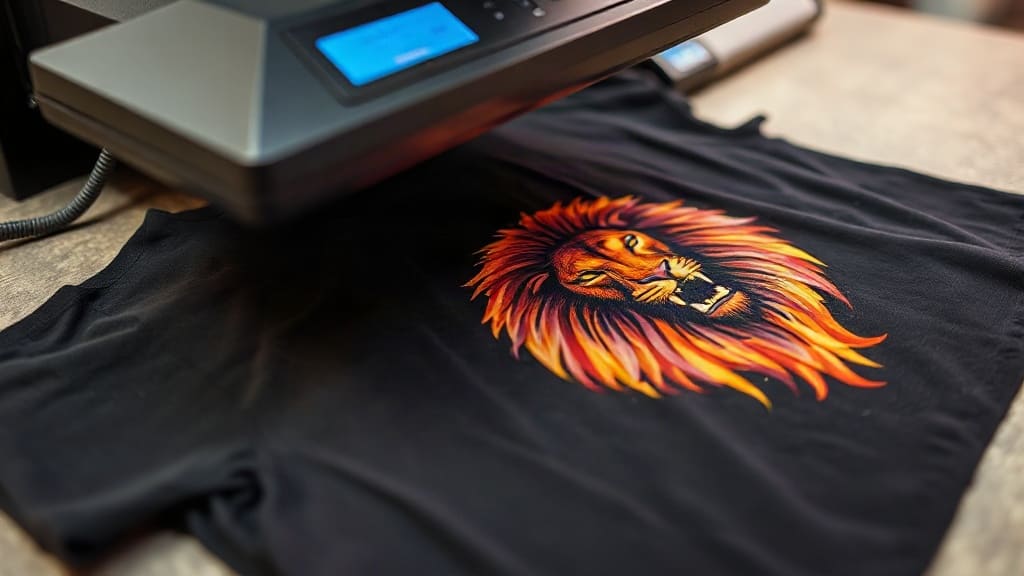
DTF transfers have taken the custom apparel industry by storm, offering a versatile and cost-effective way to create vibrant, durable designs. Whether you're a small business owner looking to expand your product line or a hobbyist eager to customize your own shirts, understanding DTF transfers is essential. In this comprehensive guide, we'll walk you through everything you need to know about DTF transfers, from the basics to advanced tips, ensuring you can produce professional-quality results every time.
What Are DTF Transfers?
DTF stands for Direct to Film. It's a printing method where a design is printed onto a special PET film using a DTF printer and specialized inks. The printed film is then coated with a hot-melt adhesive powder, which is melted and cured. Later, this film is placed onto a garment and heat-pressed, transferring the design onto the fabric. Unlike traditional screen printing, DTF doesn't require screens, and it offers incredible detail and color vibrancy.
One of the biggest advantages of DTF transfers is their flexibility. They can be applied to a wide range of fabrics, including cotton, polyester, blends, and even nylon, with proper care. This makes them a popular choice for sports jerseys, workwear, tote bags, and more.
How DTF Transfers Work: Step-by-Step
To truly appreciate the process, let's break down the steps involved in creating and applying a DTF transfer.
1. Printing the Design
First, your design is printed onto a PET film using a specialized DTF printer. These printers use CMYK plus white ink. The white ink is crucial because it acts as an underbase, ensuring that the colors pop on dark garments. If your design doesn't have white elements, the white layer is still printed to create a smooth foundation. After printing, the film is left to dry or goes through a dryer to ensure the ink is completely set.
2. Applying Adhesive Powder
Once the ink is dry, a hot-melt adhesive powder is applied to the wet ink side of the film. This powder is typically a polyurethane-based adhesive that will bond the ink to the fabric when heated. The excess powder is removed, leaving only the adhesive on the printed areas.
3. Curing the Adhesive
The film with the powder is then passed through a curing oven or a heat press to melt the powder. This step fuses the adhesive to the ink, creating a solid transfer. After cooling, the transfer is ready to be stored or used.
4. Applying the Transfer
When you're ready to apply the transfer to a garment, you'll need a heat press. Place the transfer on the garment with the printed side facing up. Use a heat press at the recommended temperature and pressure for the specified time. After pressing, peel the film off. For DTF transfers, the peel can be either hot or cold, depending on the manufacturer's instructions. Cold peel is often recommended for better results because it ensures the adhesive is fully set.
Why Choose DTF Transfers?
So, what makes DTF transfers so popular? Let's look at the benefits.
Versatility and Fabric Compatibility
One of the standout features of DTF transfers is their ability to adhere to various fabrics. Unlike vinyl or screen printing, which work best on specific materials, DTF works on cotton, polyester, blends, and even some synthetics. This makes it ideal for a diverse product range.
High Detail and Color Vibrancy
DTF printing allows for intricate designs with a high level of detail. The white ink underbase ensures that colors remain true and vibrant, even on dark backgrounds. This is especially important for designs with gradients or photographic elements.
Cost-Effective for Small Runs
Traditional screen printing often has high setup costs, making it impractical for small orders. DTF has minimal setup, so you can order or produce just a few transfers without breaking the bank. This is a huge advantage for small businesses and custom orders.
Durability
When applied correctly, DTF transfers are highly durable. They can withstand repeated washings without cracking or fading, especially when using quality materials and proper care instructions. To maintain the integrity of the print, it's recommended to wash garments inside out in cold water and avoid high heat drying.
DTF vs. Other Transfer Methods
To fully understand the value of DTF, it's helpful to compare it with other popular techniques.
DTF vs. DTG (Direct to Garment)
DTG printing involves printing directly onto the fabric using an inkjet printer. While DTG offers excellent softness and detail, it works best on 100% cotton. Polyester and blends can be problematic. DTF, on the other hand, can be used on a wider range of fabrics and often yields more vibrant colors on synthetics.
DTF vs. Heat Transfer Vinyl (HTV)
HTV is cut from solid vinyl sheets. It's great for simple, bold designs with few colors. However, it's not suitable for multi-colored or highly detailed designs. DTF transfers can reproduce complex graphics with ease, making it a more versatile choice.
How to Use DTF Transfers Effectively
Whether you're a business or a DIY enthusiast, following these tips will help you get the best results.
Preparing Your Artwork
High-resolution artwork is essential. The recommended file format is PNG or PDF with a transparent background. When creating your design, ensure that it is at least 300 DPI to avoid pixelation. Also, consider the placement and size of your design. For example, a typical placement on a t-shirt is 12 inches wide for adults. For youth sizes, scale down proportionally.
Selecting the Right Transfer
When purchasing DTF transfers from a supplier, consider factors like transfer size, color quality, and adhesive strength. At dtfpromax.com, we offer a wide selection of pre-made and custom DTF transfers, ensuring you find the perfect match for your project. Our transfers are known for their exceptional color vibrancy and durability.
Storing and Handling
Transfers should be stored in a cool, dry place away from direct sunlight. Exposure to heat and humidity can cause the adhesive to activate prematurely or degrade. When handling, avoid touching the printed area to prevent contamination.
Common Mistakes and How to Avoid Them
Even professionals sometimes make mistakes. Here are a few common pitfalls and tips to avoid them.
Incorrect Heat Settings
Using the wrong temperature or time can lead to poor adhesion or scorching. Always follow the recommended settings for your specific transfer. Most DTF transfers require a temperature of around 320°F (160°C) and a pressing time of 10-15 seconds with medium to firm pressure. A heat press with accurate digital controls is essential.
Peeling Too Early
If you peel the film while the transfer is still hot, you might pull the adhesive away from the fabric, resulting in a weak bond. Cold peel is generally safer. Wait until the film is completely cool to the touch before peeling. If you must hot peel, do it immediately after pressing, but be careful. Always test a sample to see which method works best for your transfer.
Not Using a Teflon Sheet
Always use a Teflon sheet or parchment paper between the heat press and the transfer. This prevents direct contact, which can melt the film or leave residues. It also protects your garment from scorching.
Applications of DTF Transfers
The possibilities are nearly endless. Here are some popular uses:
- Custom T-Shirts: Create unique designs for personal use or for resale.
- Sports Uniforms: DTF transfers work great on jerseys and activewear, providing durability and flexibility.
- Corporate Apparel: Customize polo shirts, hoodies, and other workwear with company logos.
- Tote Bags and Accessories: Add a personal touch to canvas bags, hats, and more.
Frequently Asked Questions
Can DTF transfers be used on 100% polyester?
Yes, DTF transfers are suitable for polyester, but you need to use a lower temperature and shorter pressing time to avoid melting or scorching the fabric. Typically, a temperature of 300°F (150°C) for 10 seconds is recommended. Always test on a small area first.
How many washes do DTF transfers last?
With proper care, DTF transfers can last for many washes. The longevity depends on the quality of the transfer, the fabric, and the washing process. Washing inside out in cold water and air drying or using low heat drying can significantly extend the life of the print.
What is the difference between DTF and sublimation?
Sublimation requires polyester fabrics and transfers the dye into the material, resulting in a soft print. DTF transfers use an adhesive layer and can be applied to various fabrics, including cotton. Sublimation is limited to light-colored polyester, while DTF offers more versatility.
Can I use DTF transfers without a heat press?
It is possible to use a home iron, but it's not recommended for professional results. A heat press provides consistent pressure and temperature, which is crucial for a durable bond. If you must use an iron, ensure it's on the cotton setting and apply strong pressure for at least 30 seconds, but be aware that the results may not be as durable.
Conclusion
DTF transfers have revolutionized the custom printing landscape, offering an accessible and high-quality solution for businesses and hobbyists alike. With their versatility, durability, and cost-effectiveness, they're an excellent choice for anyone looking to create custom apparel. Whether you're just starting or looking to refine your process, the key to success lies in using quality materials and following proper techniques.
At dtfpromax.com, we're dedicated to providing top-notch DTF transfers that meet your needs. If you're ready to elevate your printing game, explore our collection today and experience the difference that premium transfers can make.