
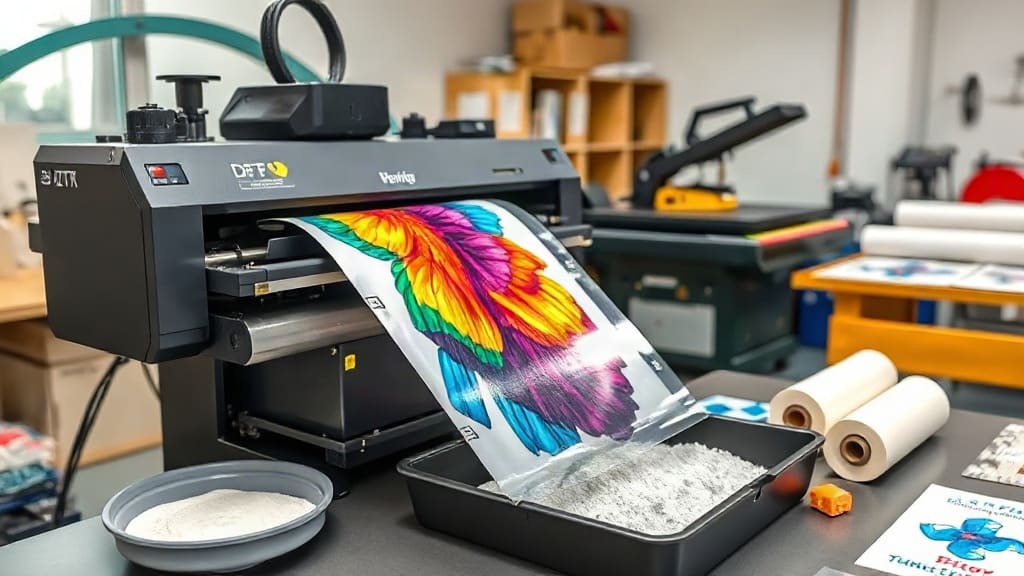
Direct-to-film, commonly known as DTF, has taken the custom apparel world by storm. If you've been searching for a printing method that combines versatility, vibrant colors, and ease of use, you've likely encountered this buzzword. But what exactly is it, and why are so many print shops and hobbyists making the switch? In this guide, we'll unpack the technology behind DTF, compare it with other methods, and give you practical advice for getting the best results.
What Is DTF Printing?
At its core, DTF is a printing process where a design is printed onto a special film, coated with adhesive powder, and then heat-pressed onto a substrate, usually fabric. Unlike direct-to-garment (DTG) printing, which prints directly onto the shirt, DTF prints onto a transfer film first. This film is then transferred to the garment, allowing for high detail and vivid colors on a wide range of materials, including cotton, polyester, nylon, and blends.
The DTF Process Step by Step
- Printing: A specialized inkjet printer prints your design in reverse onto a PET film using water-based or pigment inks.
- Adhesive Application: While the ink is still wet, a hot-melt adhesive powder is applied to the printed side of the film. This powder sticks only to the ink.
- Drying and Curing: The film passes through a dryer or oven, melting the powder and creating a sticky adhesive layer on the printed areas.
- Transfer: The film is placed on the garment with the adhesive side down. Heat and pressure are applied using a heat press.
- Peeling: After cooling, the film is peeled away, leaving the design permanently bonded to the fabric.
Why Choose DTF? Advantages and Disadvantages
Like any technology, DTF has its strengths and weaknesses. Understanding these helps you decide if it's the right fit for your business or project.
Advantages of DTF Printing
- Versatility: Works on virtually any fabric, including tricky materials like nylon and polyester that DTG struggles with.
- Soft Hand Feel: The prints are flexible and don't crack or peel easily, providing a soft texture that rivals screen printing.
- Vibrant Colors: Because the adhesive layer is opaque, DTF prints are bright and vivid even on dark garments.
- No Pre-Treatment: Unlike DTG, DTF doesn't require pre-treating the garment, saving time and effort.
- Cost-Effective for Small Runs: Setup is simple, making it perfect for on-demand and small-batch orders.
Disadvantages and Considerations
- Initial Investment: You'll need a specialized printer, film, powder, and heat press, which can add up.
- Learning Curve: Getting the right powder coverage and curing temperature takes practice.
- Washability: While durable, DTF prints may not last as long as screen-printed designs on heavy-wear items.
- Film Waste: The process creates plastic waste, which is a concern for eco-conscious businesses.
DTF vs. DTG vs. Screen Printing: Which Is Better?
Choosing the right printing method depends on your specific needs. Here's a quick comparison to help you decide.
DTF vs. DTG
DTG is excellent for cotton garments and detailed, full-color prints. However, it requires pre-treatment, and the inks are water-based, which can fade on dark fabrics unless properly cured. DTF, on the other hand, prints on film, eliminating the pre-treatment step and allowing you to print on polyester and other synthetics without worry. For small orders and mixed fabric types, DTF often comes out ahead.
DTF vs. Screen Printing
Screen printing is unbeatable for large bulk orders due to its low per-unit cost and exceptional durability. But it requires screens and setup, making it impractical for one-off prints or complex designs. DTF offers the flexibility of digital printing with no setup fees, making it ideal for personalized items, samples, and short runs. For bulk production, screen printing still holds the edge, but DTF is a fantastic complement.
Key Equipment and Materials for DTF Printing
To start with DTF, you'll need the right tools. Here's what's essential.
Printer and Inks
You can use a standard Epson printer modified for DTF, but dedicated DTF printers are available with built-in features like white ink circulation. The ink is pigment-based and includes white, which is crucial for printing on dark fabrics. Quality inks ensure vibrant colors and proper adhesion.
DTF Film and Adhesive Powder
The film is a PET-based sheet that accepts ink and releases cleanly after transfer. Adhesive powder comes in different mesh sizes; finer powders work for detailed prints, while coarser ones provide stronger adhesion. Store both in a dry environment to prevent moisture issues.
Heat Press
A standard heat press works, but you need consistent temperature and pressure. Most DTF transfers require about 300-320°F (150-160°C) for 10-20 seconds. A clamshell or swing-away press with adjustable pressure is ideal.
Tips for Perfect DTF Prints
Getting consistent, high-quality results involves attention to detail. Here are some tips I've learned from experience:
- Dial in Your Temperature: Too low, and the adhesive won't melt properly; too high, and the film may scorch. Always test with a scrap piece.
- Use the Right Powder: For intricate designs, use a finer powder to avoid filling in small gaps. For bold text, a coarser powder gives better durability.
- Shake Off Excess Powder: After applying, ensure you remove all loose powder from the film. A powder shaker with a vacuum can help.
- Pre-Press Your Garment: A quick pre-press removes moisture and wrinkles, ensuring better adhesion.
- Peel at the Right Time: Some films require hot peeling, others cold. Follow the manufacturer's instructions for best results.
- Test, Test, Test: Different fabrics behave differently. Always run a test print before a large batch.
Cost Analysis: Is DTF Printing Profitable?
Starting a DTF operation involves initial expenses, but the ongoing costs can be lower than you think. Let's break it down.
Startup Costs
You can begin with a modified Epson printer for around $500, but a dedicated DTF printer with white ink circulation might cost $2,000 or more. Add a heat press ($300-$800), film, powder, and inks, and you're looking at roughly $3,000 to $5,000 to get started. That's significantly less than a commercial screen printing setup.
Per-Print Cost
The main consumables are film, ink, and powder. For a standard 10x10 inch print, the cost is typically between $0.50 and $1.00, depending on ink coverage and quality. When you sell prints at $10-$20 each, your profit margin is substantial, making DTF an attractive business model.
Washability and Durability of DTF Prints
One common concern is how well DTF prints hold up in the wash. Properly cured DTF transfers are surprisingly durable. The adhesive layer fuses with the ink and fabric, creating a bond that can withstand many wash cycles. To maximize longevity, wash garments inside out in cold water and avoid harsh detergents. With good care, DTF prints can last as long as screen prints.
Common DTF Problems and Solutions
Even experienced printers run into issues. Here are some problems you might face and how to fix them.
Poor Adhesion
If your prints are peeling or cracking, you might not be using enough powder, or the temperature is too low. Increase the pressure slightly and ensure you're pressing for the recommended time. Also, check that your powder is fresh and not clumped.
Faded Colors
Faded prints often result from using low-quality inks or incorrect curing. Make sure your white ink is well mixed and your color inks are pigment-based. Also, verify that the film side is facing up when printing, as some films have a coated side.
Film Sticking
If the film doesn't peel off easily, it might be because the transfer was pressed for too long or at too high a temperature. Use a cold peel if the manufacturer recommends it, and always let the print cool slightly before peeling.
Environmental Impact of DTF Printing
In today's eco-conscious market, you'll want to consider sustainability. DTF uses plastic films that are not biodegradable, and the powder can be messy. However, some companies offer recyclable films, and water-based inks are less harmful than plastisols used in screen printing. You can also minimize waste by optimizing your print layouts and recycling film scraps where possible.
Future Trends in DTF Technology
The DTF industry is evolving rapidly. We're seeing faster printers with built-in drying systems, improved white ink formulations that reduce clogging, and more environmentally friendly materials. As the technology matures, costs are likely to drop, making DTF accessible to even more entrepreneurs.
Conclusion
DTF printing has revolutionized the custom apparel industry, offering a versatile, cost-effective, and high-quality solution for small to medium-scale production. Whether you're a seasoned printer looking to expand your capabilities or a newcomer eager to start a business, DTF is worth serious consideration. With the right equipment and a bit of practice, you'll be producing stunning, durable prints that impress your customers.
Frequently Asked Questions
Can DTF prints be used on any fabric?
Yes, DTF is incredibly versatile and works on cotton, polyester, nylon, blends, and even leather. However, for very rough textures like heavy fleece, you might need to adjust your pressing time and temperature to ensure proper adhesion.
How many washes do DTF prints last?
With proper care, DTF prints can withstand 50 or more wash cycles. The key is to use quality materials, cure correctly, and advise customers to wash garments inside out in cold water.
Do I need a special printer for DTF?
While you can convert some standard inkjet printers, it's recommended to use a printer specifically designed for DTF. These printers have features like white ink circulation to prevent clogging and can handle the thicker pigment inks.
What is the difference between hot and cold peel DTF film?
Hot peel films allow you to peel the transfer immediately after pressing while it's still warm, which speeds up production. Cold peel films require you to wait until it cools, which can increase the time but sometimes offers sharper detail. The choice depends on your preference and the film brand.
Is DTF printing profitable for a small business?
Absolutely. With low startup costs compared to screen printing and high profit margins per print, DTF is an excellent option for small businesses. You can offer on-demand printing without needing to stock inventory, and the quality will keep customers coming back.