
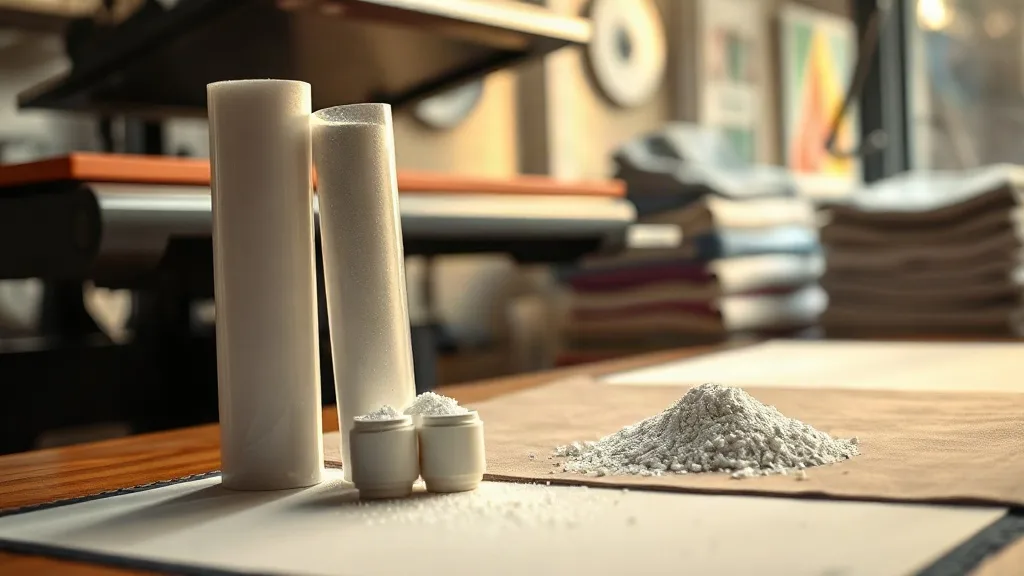
Most print shops obsess over color profiles and RIP settings, then blame the printer when a DTF Gangsheet cracks after three washes. In my experience running small-batch apparel orders, the culprit is usually upstream: the film you loaded and the powder you shook onto it. Those two consumables decide how the sheet peels, how the ink cures, and how the final transfer behaves on a cotton tee versus a polyester hoodie. Get them right and your existing workflow suddenly looks a lot smarter.
Why Film Choice Matters More Than Most Shops Admit
DTF film is not a generic carrier. It is a coated PET sheet engineered to hold wet ink without bleeding, release cleanly after transfer, and survive the heat of curing. A DTF Gangsheet built on budget film might look fine on the screen, but the differences show up at press time: curling edges, ink pooling near the borders, or a matte patch where the coating failed. I keep two film types on the shelf because one does not fit every job. Cold-peel film suits dense designs with fine detail, while hot-peel film saves time on simple block graphics where the operator wants to move fast.
Thickness and Hand Feel
Standard film sits around 75 microns, and thinner films around 50 to 60 microns. Thin film feels softer on the garment but demands a steadier hand during powder application because it flexes more under the shaker. Thick film is forgiving on large gangsheets with heavy ink coverage, yet it can leave a stiffer hand on lightweight tri-blends. If a customer complains that a transfer feels like a plastic patch, the film is often the first thing I check, not the powder.
Coating Quality and Ink Adhesion
Cheap film often has an uneven coating. You notice it when white ink looks grainy in patches or when the print develops pinholes after curing. Hold a sheet up to a light source before printing. If you see streaks or cloudy zones, that roll will cost you reprints. A consistent coating also helps the powder stick evenly, which brings us to the next variable.
Powder Mesh: The Invisible Variable
Adhesive powder is sold by mesh size, and the number tells you how fine the granules are. Finer powder, typically 80 to 100 mesh, melts into a smoother layer and gives a softer hand. Coarser powder, around 60 mesh, builds a thicker adhesive layer that grips textured fabrics like canvas or heavy fleece. Neither is universally better. A 60-mesh powder on a delicate performance polo will feel like sandpaper, while an 80-mesh powder on a thick hoodie may not anchor the edges through repeated washing.
Humidity changes everything here. Powder absorbs moisture from the air, clumps, and then dusts unevenly across the sheet. I store powder in sealed containers with a silica pack and only fill the shaker halfway. A full shaker looks efficient until you are scraping clumps off a DTF Gangsheet at 11 p.m. before a morning delivery.
Matching Powder to Fabric
- 100% cotton tees: 80-mesh powder balances softness and durability.
- Polyester and blends: 80 to 100 mesh reduces the stiff feel that polyester already amplifies.
- Heavy fleece and canvas: 60-mesh powder gives the adhesive enough body to lock into textured surfaces.
- Stretch fabrics: finer powder with a flexible film keeps the transfer from cracking at stress points.
Curing Temperature and Time by Material
Film and powder only perform if the cure is right. Most shops run 320 to 330°F for 90 to 120 seconds, but the sweet spot shifts with film thickness and powder mesh. Overcuring makes film brittle and yellow, while undercuring leaves powder grainy and wash-fragile. I test every new roll with a small swatch: print a solid block, cure it, stretch it, and wash it twice. If the edges lift or the surface feels tacky, the cure needs adjustment before a full gangsheet goes through.
Press Settings for the Transfer Stage
Transfer temperature usually lands between 285 and 310°F with medium pressure for 10 to 15 seconds. Cold-peel film needs the sheet to cool completely, often 30 to 60 seconds, before peeling. Rushing that step tears fine lines and leaves adhesive residue on the carrier. Hot-peel film allows immediate removal but punishes hesitation, so train your operator to peel in one smooth motion.
Storage Habits That Protect Your Investment
Film and powder degrade quietly. Rolls stored upright in humid rooms curl at the edges, and powder left open absorbs moisture overnight. I keep film in its original bag with the desiccant, standing vertically in a cabinet away from direct sunlight. Printed but uncured gangsheets get a flat tray, never a leaning stack, because the wet ink layer smears under its own weight.
Powder containers stay sealed between shifts, and I date every batch. Older powder still works, but it needs a quick sieve and a humidity check before it touches a customer order. These habits cost minutes and save entire reprints.
Common Questions About Film and Powder
How do I know if my film is causing print defects?
Print a small test pattern with fine lines and solid blocks. If you see pinholes, uneven white coverage, or curling at the edges before curing, the film coating is suspect. Swap rolls and repeat the test before changing printer settings.
Can I mix powder mesh sizes on one DTF Gangsheet?
Technically yes, but it complicates curing because different mesh sizes melt at slightly different rates. For consistent results, keep one mesh size per sheet and separate jobs by fabric type instead.
What causes a transfer to feel stiff after washing?
Usually a combination of thick film, coarse powder, and too much pressure during transfer. Switching to thinner film and finer powder, then reducing press pressure slightly, restores a softer hand without sacrificing durability.
How long can I store printed but uncured film?
Avoid it when possible. Uncured ink attracts dust and moisture, and the powder layer can shift. If you must store a sheet overnight, keep it flat, covered, and in a dry room, then cure it before the next shift.