
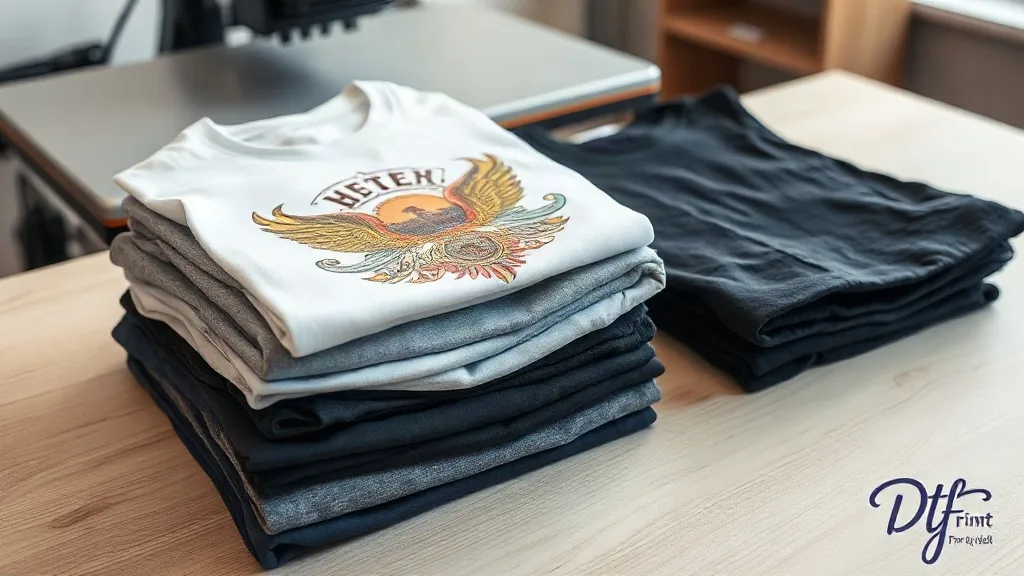
When you're running a print shop, the difference between a good DTF print and a great one often comes down to the blank you choose. shaka wear has built a reputation among printers for delivering consistent, reliable results, but not all blanks are created equal. Understanding how different Shaka Wear styles behave under DTF transfers can save you time, reduce waste, and keep your customers coming back. In this guide, we'll dive into the fabric performance of Shaka Wear blanks, from cotton to blends, and share practical tips to help you get the most out of every print.
Why Fabric Performance Matters in DTF Printing
DTF (Direct to Film) printing has revolutionized the way we decorate apparel. Unlike screen printing or DTG, DTF transfers can adhere to a wide range of fabrics, including cotton, polyester, and blends. However, the final result—how the print looks, feels, and holds up over time—depends heavily on the fabric's characteristics. Factors like fiber content, weave, weight, and finish all influence how the transfer adheres and how the colors appear.
Shaka Wear offers a variety of blanks, each with its own unique fabric composition. Some are 100% cotton, while others are cotton-poly blends. Each type interacts differently with DTF transfers, affecting everything from ink absorption to stretch recovery. By understanding these nuances, you can choose the right blank for each job and adjust your printing process accordingly.
Shaka Wear's Fabric Range: A Closer Look
Shaka Wear is known for its diverse lineup of apparel blanks, catering to different styles and budgets. Let's break down the most common fabric types you'll encounter and how they perform with DTF printing.
100% Cotton Blanks
Shaka Wear's 100% cotton tees, such as the popular Heavyweight Cotton Tee, are a staple in many print shops. Cotton is a natural fiber that takes DTF transfers well, producing vibrant colors and a soft hand feel. However, cotton can be prone to shrinking and may show slight texture through the print if the fabric is too rough. For best results, pre-shrink the garment before printing and use a high-quality DTF film and powder.
One thing to note: cotton fabrics can absorb moisture from the air, which may affect adhesion if not properly stored. Always keep your blanks in a dry environment and pre-press them to remove any moisture before applying the transfer.
Cotton-Poly Blends
Blends, like the Shaka Wear 50/50 Tee, combine the softness of cotton with the durability and color retention of polyester. These blanks are excellent for DTF printing because the polyester content helps the transfer adhere smoothly and resist fading. The print appears brighter and more vivid on blends, especially on darker colors. However, blends can be sensitive to heat, so it's crucial to use the correct temperature and pressure settings to avoid scorching or melting the fabric.
When printing on blends, consider using a lower temperature (around 300°F to 320°F) and a shorter press time to prevent the polyester from glazing. Also, allow the garment to cool completely before peeling the film for a cleaner finish.
Tri-Blend and Performance Fabrics
Shaka Wear also offers tri-blend and performance fabrics, which are popular for their softness and moisture-wicking properties. These fabrics can be trickier to print on because of their stretch and texture. DTF transfers can work well on tri-blends if you use a stretchable transfer and apply adequate pressure to ensure the ink penetrates the fabric. Performance fabrics, often made of 100% polyester, require careful temperature control to avoid dye migration, especially on darker colors. Using a low-bleed DTF film and a barrier sheet can help prevent issues.
For these fabrics, it's wise to do a test print on a scrap piece to dial in your settings. Once you've found the sweet spot, you can achieve professional results that meet the demands of athletic wear.
Color Vibrancy and Opacity on Shaka Wear Blanks
One of the biggest advantages of DTF printing is the ability to produce full-color, photographic-quality images on dark garments without a white underbase. However, the fabric color can still influence the final appearance. On light-colored Shaka Wear blanks, colors pop and details are crisp. On dark blanks, the white ink layer in the DTF transfer provides opacity, but the fabric color may still subtly affect the hue.
To ensure consistent color across different blanks, always use a color-managed workflow and proof your designs on the actual fabric. Shaka Wear's colorfast dyes generally resist bleeding, but it's still a good practice to pre-wash dark garments to remove any excess dye before printing.
Durability and Washability
Customers expect their printed apparel to last. DTF prints on Shaka Wear blanks, when applied correctly, can withstand numerous wash cycles without cracking or fading. The key is proper application: adequate pressure, precise temperature, and thorough cooling before peeling. Additionally, using a quality DTF powder and film, such as those from DTF Pro Max, ensures a strong bond.
Shaka Wear's blanks are known for their durability, and when combined with a well-executed DTF transfer, you can confidently offer a product that will hold up to regular wear and tear. Always follow the care instructions: turn the garment inside out, wash in cold water, and tumble dry low.
Streamlining Your Workflow with DTF Gangsheets
For print shops looking to maximize efficiency, gangsheets are a game-changer. By arranging multiple designs on a single sheet, you can print several transfers at once, reducing film waste and production time. When working with Shaka Wear blanks, you can use a DTF Gangsheet Builder to easily combine different sizes and designs tailored to your order. This tool allows you to upload your artwork, arrange it optimally, and generate a print-ready file. The result is a streamlined process that saves you money and helps you meet tight deadlines.
Whether you're printing a batch of team jerseys on Shaka Wear performance tees or a mix of cotton and blend shirts for a promotional order, gangsheets keep your production organized and cost-effective.
Common Pitfalls and How to Avoid Them
Even with high-quality blanks, issues can arise. Here are some common problems and solutions when printing DTF on Shaka Wear garments:
- Poor adhesion: Usually caused by insufficient pressure or temperature. Ensure your press is calibrated and use a pressure of 40-60 PSI.
- Color fading after washing: This can happen if the transfer wasn't applied with enough heat or if the garment was washed in hot water. Always follow care instructions and use a quality powder.
- Ghosting or double image: Often due to the transfer shifting during pressing. Use a heat-resistant tape to secure the transfer before pressing.
- Scorching on blends: Reduce temperature and press time, and use a Teflon sheet or parchment paper as a barrier.
By being mindful of these issues and adjusting your process, you can achieve consistent, professional results on every Shaka Wear blank.
SSS
What is the best Shaka Wear blank for DTF printing?
The best blank depends on your design and intended use. For vibrant colors and softness, 100% cotton is excellent. For durability and color retention, cotton-poly blends like the 50/50 tee are ideal. Performance fabrics are great for athletic wear but require careful temperature control.
How do I prevent scorching when printing on Shaka Wear polyester blends?
Use a lower temperature (around 300°F to 320°F), reduce press time, and place a Teflon sheet or parchment paper between the heat platen and the transfer. Always test on a scrap piece first.
Can I use DTF transfers on Shaka Wear tri-blend shirts?
Yes, but tri-blends can be stretchy and textured. Use a stretchable DTF transfer, apply firm pressure, and consider using a adhesive powder specifically designed for stretch fabrics. Pre-press the garment to remove wrinkles and moisture.
How many washes will a DTF print on Shaka Wear last?
With proper application and care, DTF prints on Shaka Wear blanks can last 50+ washes without significant fading or cracking. Always turn the garment inside out, wash in cold water, and avoid harsh detergents.
Where can I find a DTF Gangsheet Builder to optimize my Shaka Wear orders?
DTF Pro Max offers a user-friendly DTF Gangsheet Builder that lets you upload multiple designs, arrange them efficiently, and generate a print-ready file. It's a great tool for streamlining production on Shaka Wear blanks.