
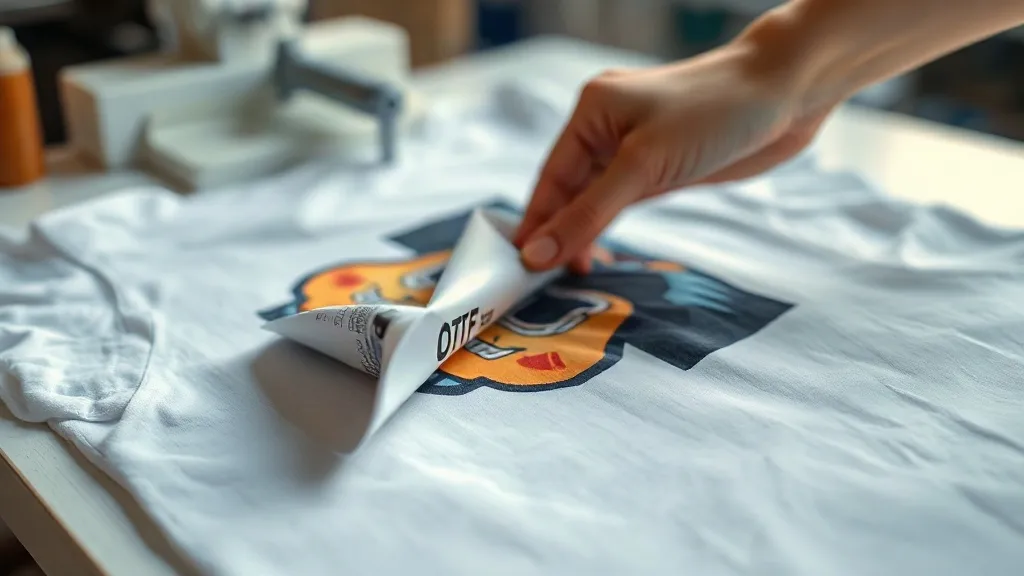
You pulled the shirt from the dryer, inspected the print, and saw no cracks. The wash test passed. Two weeks later, a customer sends a photo of a peeling design and asks for a refund. If that scenario sounds familiar, the problem is not your press or your powder. It is your wash test. Most dtf transfers failures are not random; they are predictable, but only if you test the way your customers actually live. A wash test that passes in your shop can fail in a customer's hands, and the gap between those two outcomes is where refunds, bad reviews, and lost repeat business live.
Why a Standard Wash Test Gives You False Confidence
The typical in-shop wash test looks like this: press a sample, wait an hour, toss it in a home washer with a few other garments, dry on medium, inspect. If the print survives, you ship the order. The problem is that this test controls almost every variable that real life does not. Your test shirt is new, your water is consistent, your dryer is clean, and nobody wears the shirt to a gym or leaves it in a hot car. Real garments face a much wider range of conditions, and dtf prints fail at the edges of that range, not in the comfortable middle.
Consider what happens after a customer takes a shirt home. It gets washed with jeans that have zippers. It sits in a damp laundry basket overnight. It goes through a dryer on high heat because the customer is in a hurry. It gets folded and stuffed into a drawer while still slightly warm. Each of these steps adds stress that your controlled test never simulated. The print may look fine after one wash, but the adhesive is already weakening, and the failure shows up three or four washes later, long after you have shipped the order and moved on.
The Four Variables Your Wash Test Ignores
If you want a wash test that predicts real-world performance, you need to account for the variables that separate a lab-style test from actual customer behavior. There are four that matter most.
1. Fabric Blend and Weave
A 100% cotton tee and a 50/50 poly blend behave differently under the same press and wash conditions. Cotton fibers swell when wet, which can push against the adhesive layer. Polyester is smoother and often accepts the film more evenly, but it can also hold heat differently during pressing. A wash test on cotton tells you almost nothing about how the same dtf transfers will perform on a tri-blend or a performance fabric. If you print on multiple blank types, you need a wash test for each one, not a single sample that stands in for everything.
2. Water Temperature and Detergent
Your shop washer might run at a consistent 30 degrees Celsius, but your customers may wash in cold, warm, or hot water depending on the load. Hot water accelerates the breakdown of the adhesive and can cause the film to lift at the edges. Detergent matters too. Powder detergents with bleaching agents are harsher on prints than liquid detergents, and fabric softener leaves a residue that can interfere with adhesion over time. A wash test that uses only cold water and a gentle detergent is not a durability test; it is a best-case scenario.
3. Dryer Heat and Tumbling
Air drying is the gentlest option, but most customers use a dryer. High heat softens the adhesive and makes the print more vulnerable to cracking when the garment cools. Tumbling adds mechanical stress, especially if the print is large or placed near a seam. A print that survives a low-heat dryer cycle may fail after three high-heat cycles. If your wash test dries on low or hangs to dry, you are testing a condition that many of your customers never use.
4. Time Between Press and Wash
Freshly pressed dtf prints continue to cure for up to 24 hours. If you wash a sample one hour after pressing, you are testing the adhesive before it has reached full strength. That test might pass, but it does not tell you how the print will behave after a proper cure. Worse, it can give you false confidence in a batch that was pressed slightly cool or pulled too early. The print may hold in your test and fail in the field because the customer washed it after a full day of curing, which exposed a weakness your quick test masked.
How to Build a Wash Test That Actually Predicts Failure
The goal is not to replicate a laboratory. It is to create a test that is harsh enough to expose weaknesses before your customer does. Here is a protocol that works for small shops without adding hours to your week.
- Test each fabric type separately. Press a small sample on every blank you regularly use. Label the samples and keep them together so you can compare results.
- Wait the full cure time. Let the pressed samples sit for 24 hours before the first wash. This mirrors the minimum time most customers will wait, and it gives the adhesive a fair chance to set.
- Run a stress cycle. Wash the samples with a few towels or jeans to add abrasion. Use warm water and a standard detergent, not a gentle cycle. This is closer to a real load than a solo wash.
- Dry on high heat for at least one cycle. If you want to test the worst case, run one high-heat cycle. If the print survives that, it will likely survive normal use.
- Repeat for five cycles. A single wash proves very little. Five cycles will expose edge lift, cracking, and adhesive failure that a single wash hides.
- Inspect after each cycle. Take photos and note any changes. A print that starts to lift at the corners after cycle three is telling you something about your press settings or your powder application.
This protocol takes a few days, but it runs in the background while you work on other orders. The payoff is a clear picture of which combinations of film, powder, fabric, and press settings hold up, and which ones need adjustment before they reach a customer.
What to Do When a Wash Test Fails
A failed wash test is not a reason to panic. It is a diagnostic tool. When a sample fails, look at how it failed. If the print peels from the edges, the problem is likely insufficient pressure or a cool press. If the print cracks across the surface, the powder may be under-cured or the film may be incompatible with the fabric. If the print lifts in patches, moisture during pressing or a contaminated garment could be the cause. Each failure pattern points to a specific fix, and once you identify it, you can adjust your process and re-test.
Keep a simple log of your tests: fabric type, film brand, powder type, press temperature, pressure, time, and the result after each wash cycle. Over time, this log becomes the most valuable document in your shop. It tells you exactly which settings work for which jobs, and it removes the guesswork from dtf transfers production. When a customer asks why your prints last, you can point to a process that has been tested, not a promise that sounds good.
Why This Matters More Than Ever
Customers have more choices than ever, and a single failed print can cost you a repeat order and a review that follows you for years. The shops that stand out are not the ones with the fastest turnaround or the lowest price. They are the ones whose prints hold up. A wash test that predicts real-world durability is a competitive advantage, and it costs almost nothing to implement. If you are ordering custom prints and want to know how they will perform, ask about wash testing. A supplier who can show you test results is a supplier who understands that dtf transfers near me is not just a search term; it is a promise of quality that local customers expect.
Frequently Asked Questions
How many washes should a DTF print survive?
A well-pressed DTF print on a compatible fabric should survive 50 or more wash cycles with minimal fading or cracking. If your prints fail before 20 cycles, the issue is usually press settings, powder application, or fabric compatibility, not the film itself.
Can I wash a DTF-printed shirt immediately after pressing?
It is not recommended. The adhesive continues to cure for up to 24 hours after pressing. Washing sooner can prevent the print from reaching full strength and may cause premature failure. Wait at least 24 hours before the first wash.
Why does my DTF print crack after a few washes?
Cracking usually points to under-cured powder, insufficient press pressure, or a press temperature that is too low. It can also happen if the garment is stretched during washing or dried on high heat repeatedly. Check your press settings first, then review your wash and dry conditions.
Does fabric softener affect DTF print durability?
Yes. Fabric softener leaves a residue that can interfere with the adhesive over time. It is best to wash DTF-printed garments without softener, or use a small amount and avoid direct contact with the print. Over many washes, softener residue can contribute to edge lift and peeling.
How can I test DTF durability without a full lab setup?
You can run a practical wash test at home or in your shop. Press a sample, wait 24 hours, then wash it with other garments on a warm cycle and dry on high heat. Repeat for five cycles and inspect after each one. This simple protocol will expose most weaknesses that a single gentle wash would hide.